


These books hold rich nuggets of wisdom for all of us. Click on the links for my brief reviews.
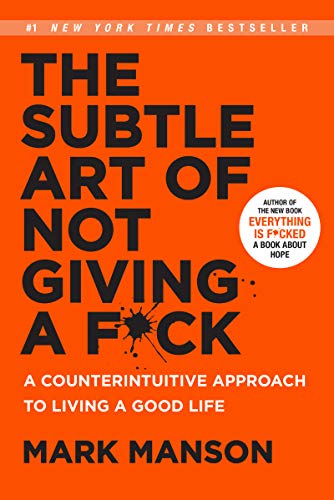
The Subtle Art of Not Giving a F*ck, by Mark Manson. If you are bothered by Mark Manson’s profanity in this book, he would say you are giving a f*ck about the wrong thing. There is a better way, Manson writes. Care less, or don’t give a f*ck. Focus on what is real, what is now. Feel like sh*t today? That’s life. It’s OK to feel bad. Don’t hate yourself for it, he says.
Toxic Positivity, by Whitney Goodman. Your friend calls and invites you to join him for coffee. You sit opposite each other at the neighborhood coffee bar and he finally makes eye contact with you. “I got fired this morning,” he says. After a few moments, you say, “It could be worse. Now you will finally have more time to yourself.” Whitney Goodman would say such statements could build a wall between you and your friends. Why? They are examples of toxic positivity, like telling someone who just lost both legs in an accident to walk it off.
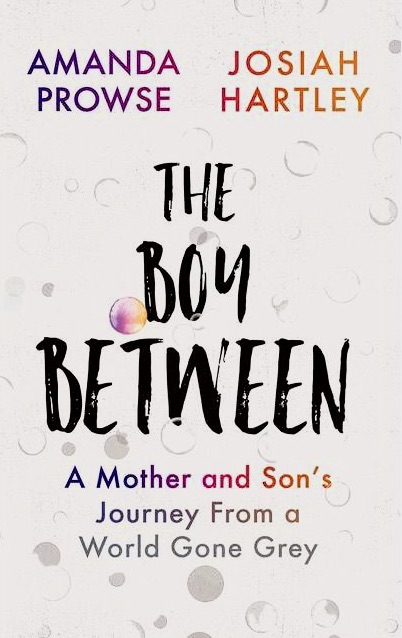
The Boy Between: A Mother and Son’s Journey From a World Gone Grey, by Amanda Prowse and Josiah Hartley. Depression tightens its grip on Josh Hartley when he goes away to England’s Southhampton University. He watches fellow students have the time of their lives, but for him, university life heightens the loneliness and despair he has experienced for years. English novelist Amanda Prowse describes her struggle to lift her son from the depths of depression.
The Four Agreements, by Don Miguel Ruiz. This tiny book packs powerful messages. Like walking a long-distance trek, it reminds me what is important and helps chase anxiety away. My mantra mirrors Ruiz’ words of wisdom: “Speak impeccably. Don’t take things personally. Never assume. Always do your best.”
Another Kind of Madness, by Stephen Hinshaw. Harvard freshman Stephen Hinshaw was back home in Columbus, Ohio for spring break. His father, prominent Ohio State philosopher Virgil Hinshaw Jr., called him into his study for a talk. Within minutes, the son’s life changed forever. For Stephen, the ensuing talks with his father answered questions he had kept buried for a lifetime. Why did Dad disappear all those times? Where did he go?
Anxiety Relief, by Russell Kennedy. Kennedy is a doctor, neuroscientist, developmental psychologist and a professional stand-up comedian, but his words on these pages are no joke. He writes that you can best heal anxiety by finding its source: your body, not your mind. When you find yourself in “alarm,” or worrying, go directly to your body, find where the alarm is. Kennedy proposes embracing the child in us. The child who was scarred. He describes a series of methods to connect with the places where our bodies feel the worry and heal the old wounds by being kind to ourselves.
 Books and my backpack