Unplug Your Robot–Now!

In the age of robotics and artificial intelligence, Karin Kiser wants us to point the finger at ourselves–because we are all robots in more ways than we imagine.

In Unplug Your Robot: The Secret to Lasting Happiness, she says we can break the spell that restricts our enjoyment of life. How? By finding the human in us. How do we do that?

In an easy-going writing style, Kiser guides readers through a series of activities and explorations that are meant to reveal who we are and how we became the person we are. Like robots, our bodies are wired. We are conditioned from birth to conform, to hide our real selves in lives dominated by thoughts that dwell on the past and on the future. Instead of where we actually are–the present.

“I have heard that before,” you say. So have I, many times. But not in words that Karin Kiser offers. Just the term “robot” unlocks my ability to recall and act upon her suggestions. It is a brilliant word choice that resonates.

Click on the cover to find out more. I am confident you’ll be glad you did. Feel free to share your reaction with a comment.
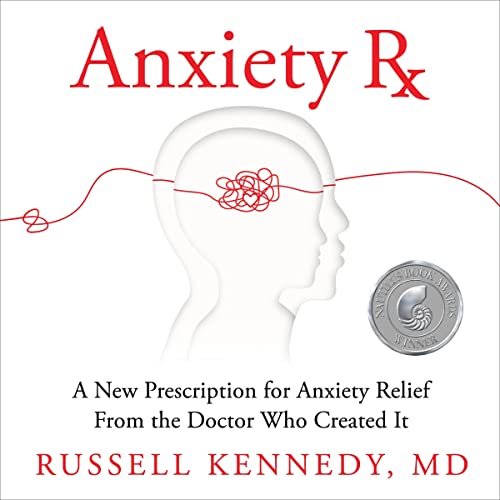
Anxiety RX: A Powerful Prescription for Healing Your Worries

Put your worrying mind aside and read Anxiety Rx by Russell Kennedy. If you are like me, you will be a changed person long before you read the last page.

Kennedy is a doctor, neuroscientist, developmental psychologist and a professional stand-up comedian, but his words on these pages are no joke.

I highlighted quotes that caused me to stop, ponder, go back, and read again. One stood out:

“I can tell you from personal experience that believing we will be healed by some doctor, treatment, supplement, patch, drug, psychedelic, guided meditation, yoga nidra, hypnosis, meditation, or therapy is a fool’s errand.”

He is not against these strategies, though. He has tried many of them himself. So what does he propose? He writes that you can best heal anxiety by finding its source: your body, not your mind. When you find yourself in “alarm,” or worrying, go directly to your body, find where the alarm is. Kennedy proposes embracing the child in us. The child who was scarred. He describes a series of methods to connect with the places where our bodies feel the worry and heal the old wounds by being kind to ourselves.

“The leap of faith comes when your adult self opens the chest, pulls out your innocent child self, and fully accepts, embraces, and loves them,” he advises.

The cure is not easy, Kennedy writes. Worry is an addiction, “rewarding you with dopamine each time you do it.” But regular attention to the alarm in your body is the best way out.

Some readers might criticize Anxiety Rx for being repetitive, but I found that quality to be a strength.

Kennedy’s story is personal. His father lived a life of mental illness, eventually committing suicide. The author carries guilt about how he used to feel embarrassed by his dad.

Feel free to share your thoughts about his book here.