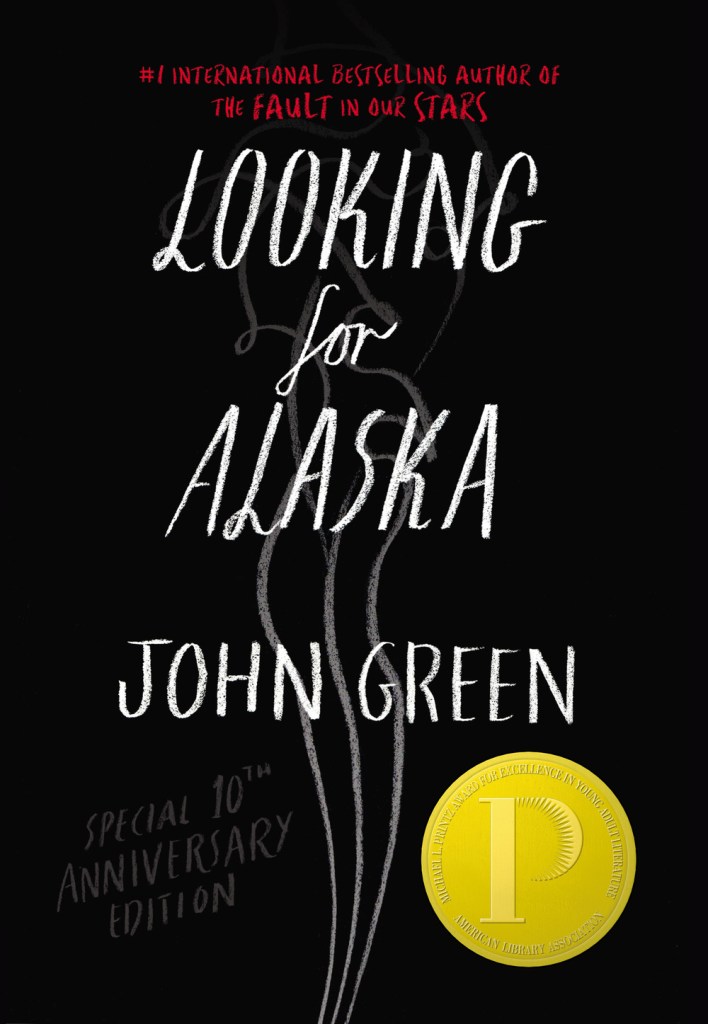
Looking for Alaska and Finding Much More

When I glanced at this book’s title, I thought, “Perfect. A travel adventure book. To Alaska!”

But I was wrong. Looking for Alaska is indeed a journey, but the teen-aged protagonist travels through his eventful life in a new boarding school.

This is no ordinary coming-of-age story. Divided into two sections, before and after, John Green tells a tale filled with poignant happenings in the life of Miles “Pudge” Halter. One event is a defining, shocking moment where the “after” story begins. (No spoiler here.)

Obsessed with famous last words, Pudge falls into the world of the Great Perhaps with Alaska Young. She feeds his sense of humor, challenges his tendency to play it safe, and captures his heart. The entertaining story may move you to consider your own journey to self-discovery.

Looking for Alaska is one more in a series of young adult novels that have kept me away from my usual non-fiction leanings. I am drawn to the YA genre for stories that take me back to my own teen-aged years and my struggle to find myself. Like Pudge, I found a friend in high school who accepted me for who I was, giving me confidence that changed everything. I am thankful every day for that friendship.

Looking for Alaska was Green’s debut novel. He has written many more, including The Fault of Our Stars, selling a total of 50 million copies.
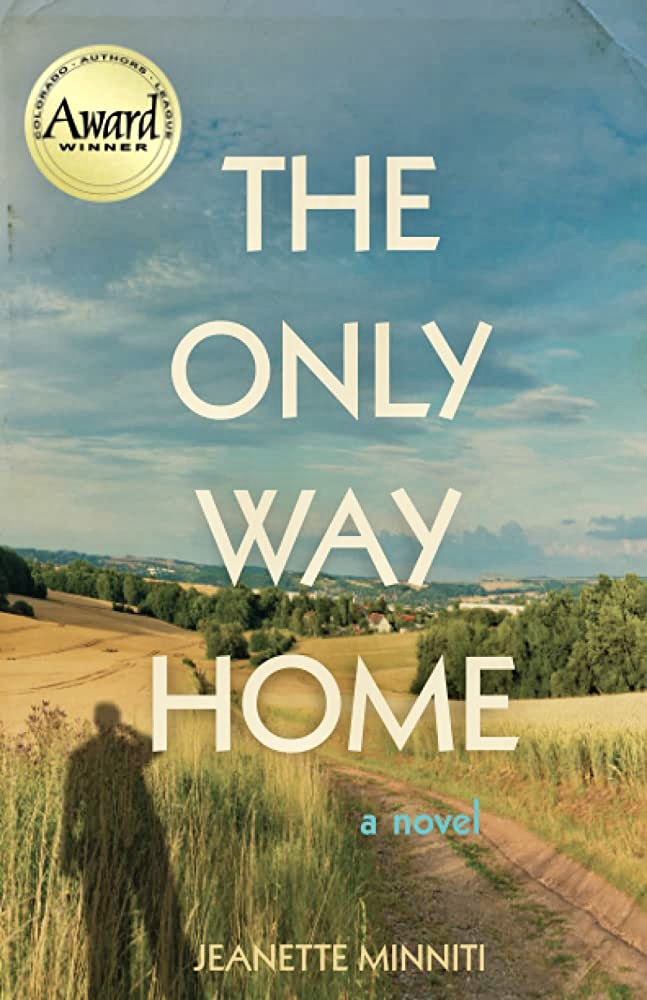
A Desperate Teenager Searches for the Way Home

It is 1933, the depth of the Great Depression and the low point of 15-year-old Robert’s life. His father has died and his mother seeks ways to feed her five children. They lose their home and move into a tiny house.

In The Only Way Home, Jeanette Minniti describes how Robert, like many other older children of the times, makes decisions adults would find daunting.

Robert, a sensitive, vulnerable, strong-willed kid, leaves home with his friend Johnny to find work so they can bring home money to their families. They leave Illinois and head south, jumping into freight cars on trains that claimed the lives of many during the difficult times. Their luck is slim and Johnny returns home, leaving Robert to endure hunger, danger, and law enforcement. He meets 17-year-old Tucker and they quickly bond while scraping together small jobs and inventing ways to find enough food to get by. But not enough to return home.

They ride trains, even atop a passenger car, and warily meet hobos. Meanwhile, Robert’s mom longs to know his whereabouts and if he is still alive. Robert realizes his mom must be worried, but he won’t quit until he earns enough money to make a difference for his family.

His resilience, a violin, and his musical talent play roles in this moving story. So do several programs, including the Civilian Conservation Corps, created during the Franklin Roosevelt administration.

This is Minniti’s debut novel and I eagerly anticipate her next book. The Only Way Home captivated me. Being a child of poverty and raised by an immigrant mother who cleaned homes and hospital rooms to keep food on our table, I can relate to the family’s struggles, but I never faced the challenges Robert tackled. As a young adult, my mom had lived through the Depression, which raised the bar of desperation and hardship.

Question is, does Robert ever find his way home?