Whether you are thinking of tackling a section of the Pacific Crest Trail, walking the entire 2,653 miles, or want to glimpse the trail from your armchair, these guidebooks are for you.
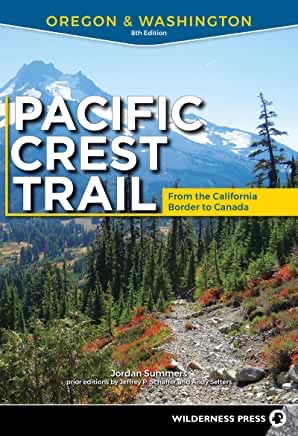
In the Pacific Coast Trail: Oregon and Washington, Jordan Summers presents a user-friendly guide that addresses my questions: Could I walk the two states’ sections? Or just one state? Or should I try a short section first?
Summers’ book, updated in 2020, includes PCT history, mile-by-mile points of interest, permitting, and equipment. Topographic maps and elevation charts accompany blue text boxes highlighting all-important water sources. Looking for campsites or resupply information? Summers has you covered.
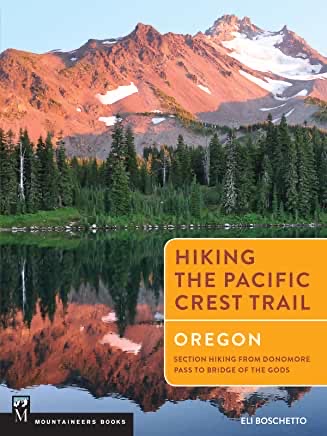
In Hiking the Pacific Coast Trail: Oregon, Eli Boschetto covers similar basics for the middle state of the PCT.
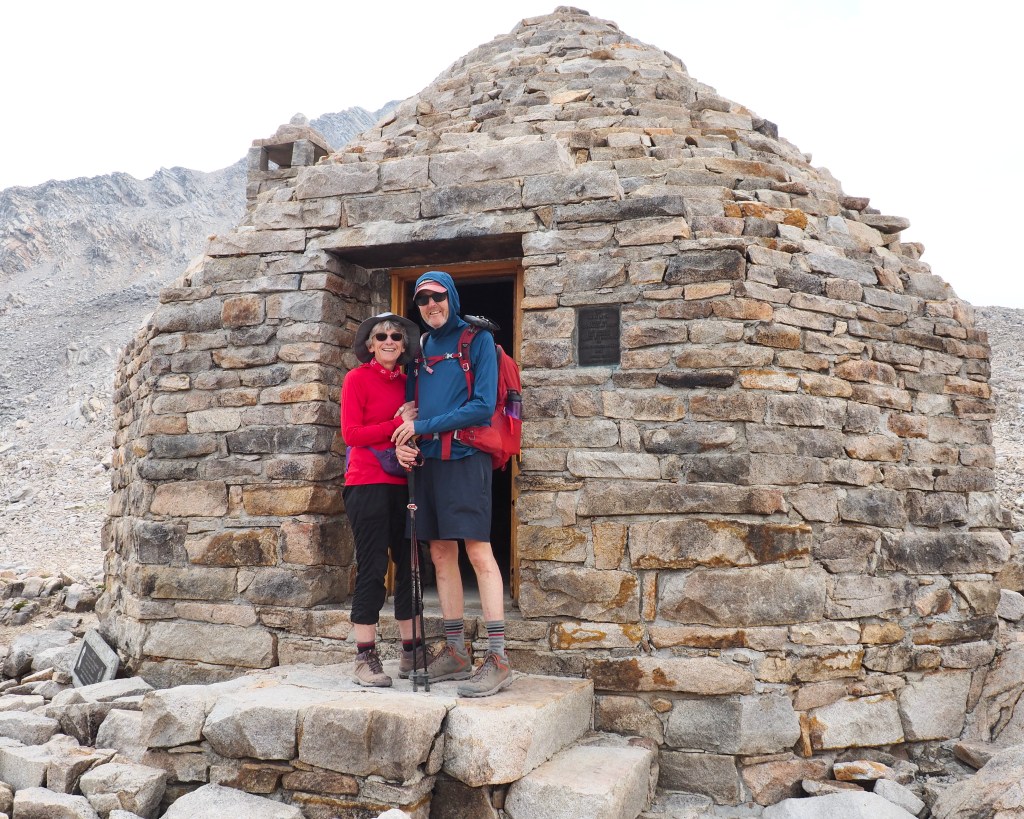
After walking five famed distance trails in Europe, I wondered if I could enjoy a backpacking trip in the USA, without the perks of hostels, hotels, and places to eat at the end of each day. I read both guidebooks as I prepared to walk California’s John Muir Trail in August 2021. For a month, I filtered water, bathed in streams and lakes, and lived in a tent. I was part of a group of 11 backpackers who were mule-supported, relieving us of the need to carry a heavy pack for 243 miles on the northbound walk through the Sierra Nevada.
The high-elevation trek included summitting Mt. Whitney and conquering 12 passes as high as 13,150 feet. It was the greatest physical challenge of my life, but, as tough as it was, I long for more.
The next logical step would be to tackle another section of the PCT, but without mule support. No doubt, I hear the PCT calling, but I have yet to answer.
At the very least, these books allowed me to appreciate and understand the challenges of one of the world’s great trails. If I decide to answer the call, even if just for a weeklong section, I will return to their pages.
Check out my new book about my adventures on four iconic trails in Europe: Trippin’ Through My Sixties.
My first book is Camino Sunrise: Walking With My Shadows.