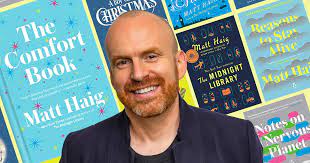
Now Read This: Reasons to Stay Alive by Matt Haig

I have joined enthusiastic readers around the globe in applauding Matt Haig’s books. He creates characters and stories with intriguing themes and compelling stories.

Reasons to Stay Alive is Matt Haig’s very personal story. He opens his heart and his mind as he describes his long battle with depression and anxiety. His book presents important realities about mental illness and overflows with strategies he has tried over the years. He writes that other people’s stories of suffering and survival have comforted him.

Here is a taste of the book’s topics:

Depressives don’t seek happiness; they seek to be free of pain. They feel like no one is going through what they face.

Anxiety added to depression can be a deadly cocktail.

Why do so many more men than women commit suicide?

Mental illness is just as much an illness as cancer, so don’t tell someone who is suffering to “cheer up.”

Travel and exercise can be antidotes to some symptoms.

The world is designed to make us feel like we need more, leading some to become depressed and/or anxious. Happy people are not good for the economy. The more we join the race to acquire stuff, the more it makes life speed by, effectively shortening it.

There are ways to slow down the mind and reduce anxiety. The book includes a list.

A thin skin is an enemy of mental wellness.

It is impossible to think just happy thoughts, but it is possible not to become the bad thoughts if you accept all your thoughts.

If you want to explore related books, Anxiety Relief by Russell Kennedy and Toxic Positivity by Whitney Goodman are two I have reviewed that complement Reasons to Stay Alive. Drop me a note or comment on this post if you have other books to recommend.

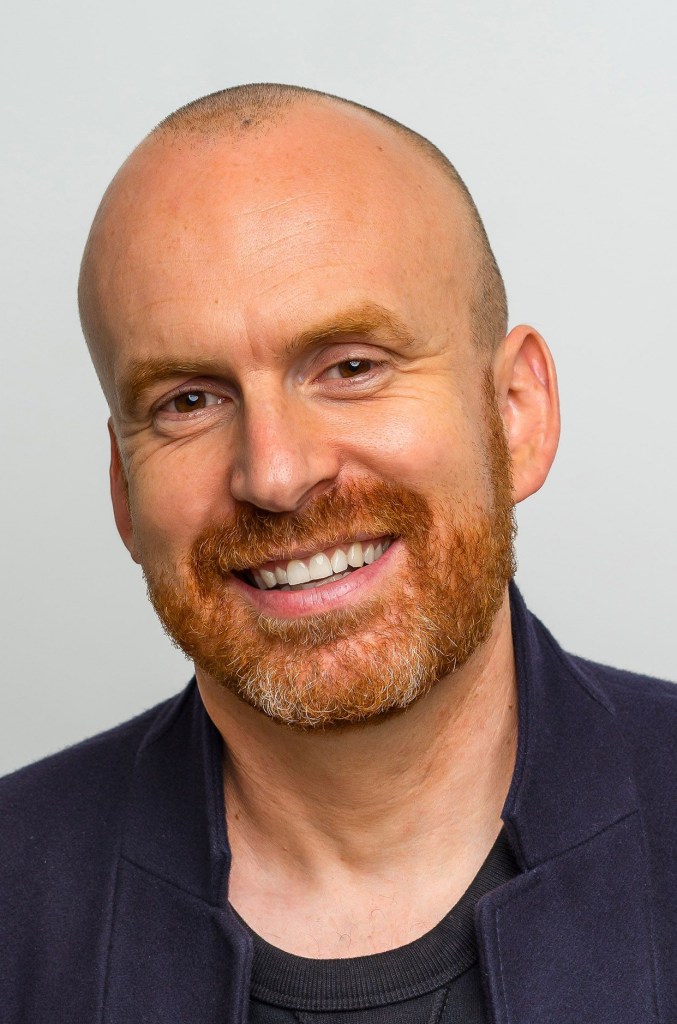
Matt Haig: Does Extra Time Bring Happiness?

Do you ever wish you could slow your body clock? What if you would age just a year for every two years? Would it be even better if you would age just a year for every 15 years? Extra time also comes with a bonus: You would be immune from human illnesses.

Ready to sign up?

Wait a minute. How long before people around you proclaim, “You look so young! How do you do it?” After a few more years, what if people, fearing that you are not normal, pull away from you, even suspect that you are evil personified? Your parents, siblings, wife, children, grow old and die while you age just a few years.

You might enjoy being 18 for 15 years, but would you feel as good about being in your 80s for 150 years? What would happen if you told people the truth?

In Matt Haig’s How to Stop Time, Tom Hazard is a 41-year-old high school history teacher in England whose real life has spanned 439 years. He ages normally until he is 13, when it takes 15 years for him to age to 14. Born in 1581, he works with Shakespeare and sails with Captain Cook.

As much as he is enthralled with technological advances and opportunities to know famous historical figures, Tom harbors regrets and worries about his future, keeping him from enjoying the present most of the time.

Tom tells his story through travels to his past. He knows there are others like him, and they are protected by the Albatross Society, whose leader’s most important rule is to never fall in love. Tom had a wife and daughter many years before, but, now, he falls for a high school French teacher. He must decide whether to push her away or to let go of the restrictions, tell her his secrets, and live in the present. Have four centuries been enough time for him to learn how to be happy?

Haig has been forthcoming about his own mental health struggles. Mental health themes come through in this and two other of his novels I have read, Midnight Library, and The Humans. I recommend all three thought-provoking books.

Matt Haig’s literary fame was boosted when actor/producer Bernard Cumberbatch purchased the film rights to How to Stop Time. Cumberbatch plans to play the lead.