John Muir Trail: ‘We Can’t Do That?’


“We can’t do that!”

Those were my words when Sue said we should walk across Spain on a famed pilgrimage.

The Camino de Santiago and distance trails in seven countries have taught me to question my first reaction to a backpacking challenge.

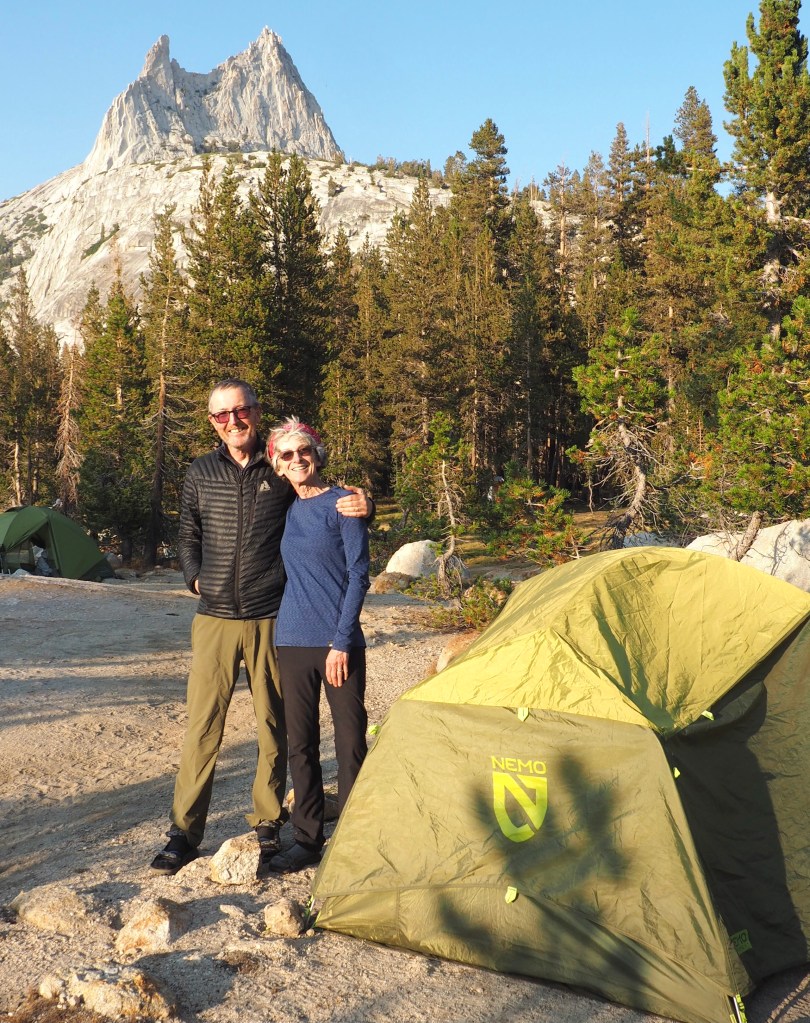
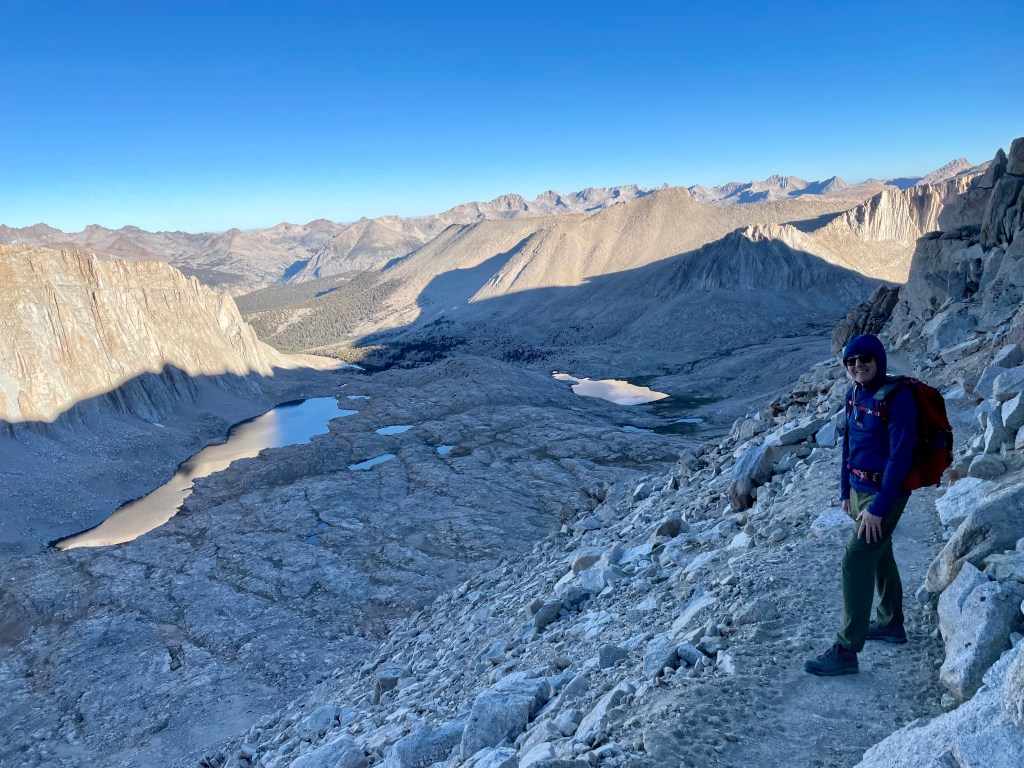
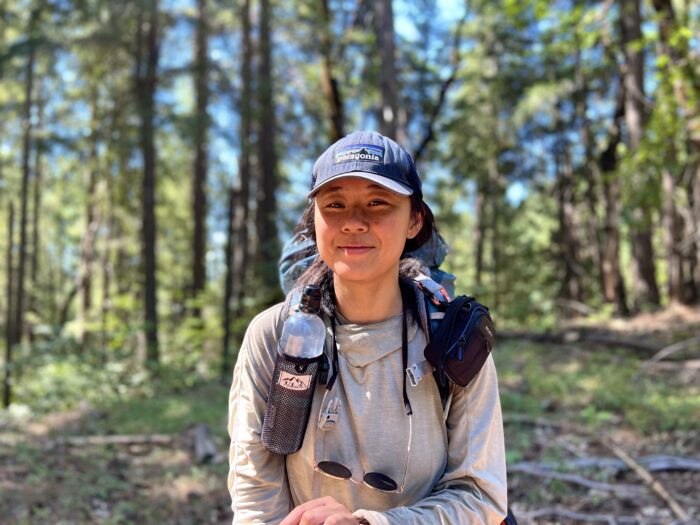
Two years ago, Sue and I tackled the John Muir Trail in California’s Sierra Nevada. Mules helped carry our stuff, but our legs carried us 246 miles from Horseshoe Meadow southeast of Mount Whitney to Happy Isles in Yosemite Valley. One of the most memorable days was the trek to the Mount Whitney summit; the bottom photo shows me on the switchbacks above Guitar Lake during my climb to the highest point in the continental USA. The other photos show us at Muir Hut and near Cathedral Peak.

We slept in a small Nemo tent, filtered our water, and went without showers or toilets for 30 days. It was all part of the adventure that kept us above 10,000 feet much of the way on a trail through astounding scenery.

Sue and I are preparing for our seventh distance trek, which begins September 1. If we are able to complete the 42 days on the trail, it will be our longest trek yet. This time, we plan to carry everything we need, but our packs won’t contain a tent or sleeping bags.

Stay tuned.

What Happened to Ranger Randy Morgenson?

Randy Morgenson had spent 28 summers as a ranger in the wilderness of Sequoia/Kings Canyon National Parks. A passionate protector of his beloved lands, he had become perhaps the most celebrated ranger in the Sierra Nevada.

He grew up in neighboring Yosemite, where his father Dana was a sought-after guide and naturalist. Photographer Ansel Adams was a family friend and gave Randy his first camera when he was a boy.

In July 1996, Randy Morgenson left his ranger cabin for the backcountry. It was normal for rangers to go on patrol for up to several days at a time and Randy was known to clean up illegal campsites and transport trash back to his station. It was also expected that he would check in via radio with the central ranger office every day.

This time, his colleagues became concerned after he was not heard from for several days, triggering a massive wilderness search that failed to find him.

What happened to Randy Morgenson?

Had he been injured, unable to return to his ranger station? Had his radio failed?

Or had he been murdered by unhappy park visitors he had dealt just days before his disappearance?

Had he climbed to a remote place and killed himself? Some said he had been particularly dejected in recent days, even weeks. He carried divorce papers his wife had presented.

Or did he leave the parks to begin a new life, perhaps in South America?

In The Last Season, Eric Blehm, after eight years of research, interviews, and treks in the country Randy explored, answers the questions. His book is a exhaustive narrative about the search and about Randy’s life, mixed with family history, the roles of rangers, and much more.

The book may have been better with less detail, but there was plenty of compelling storytelling to carry me to the end. Those who love the Sierra wilderness will be enthralled. Those who admire the work of wilderness rangers will gain new respect, especially for one who gave it all for the love of his life.