
These books proved to me that real life can be more captivating than the best fiction.
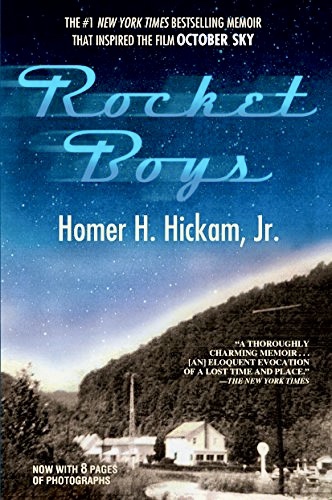
Rocket Boys, by Homer Hickam. For Homer “Sonny” Hickam, the Sputnik 1957 launch was just what he and his friends needed to transform imagination, ingenuity and hard work into a great American success story. From 1957 through 1960, Sonny and his West Virginia high school classmates, as the Big Creek Missile Agency, fired off 35 rockets, some wildly successful, some wildly disastrous. Hickam’s memoir flew off the shelves, leading to the acclaimed film October Sky.
Walden on Wheels, by Ken Ilgunas. When Ken Ilgunas graduated the University of Buffalo with $32,000 in debt, he feared a life without the freedom he valued more than anything. After an Alaskan trip filled with hardships and adventure, he asks himself, “Now what?” His answer may seem out of character for readers of Walden on Wheels. A superb book!
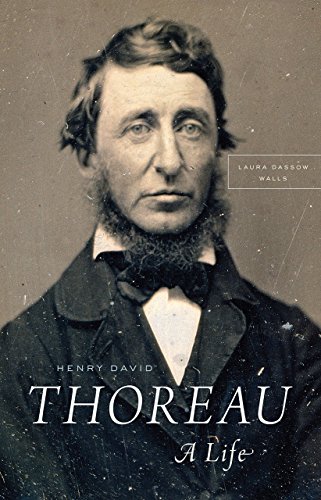
Henry David Thoreau: A Life, by Laura Dassow Walls. The author goes beyond the labels and reveals a sometimes insecure man who struggled to find out who he was. Walls takes readers on a journey through Thoreau’s journals and other writings. His walks, inner debates, friendships, and two years at Walden Pond come to life in a way that will enthrall and surprise even the most learned Thoreau scholar.
The Last Season, by Eric Blehm. What happened to Yosemite ranger Randy Morgenson? He had spent 28 summers as a ranger in the wilderness of Sequoia/Kings Canyon National Parks. A passionate protector of his beloved lands, he had become perhaps the most celebrated ranger in the Sierra Nevada. Then he went missing.
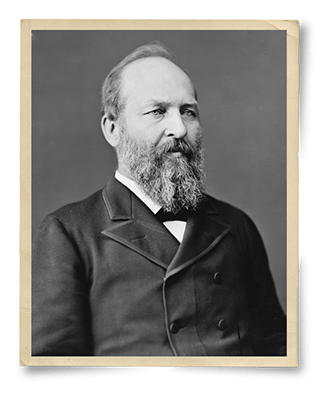
Destiny Republic, by Candice Millard. James Garfield came out of nowhere to win the Republican nomination and become the 20th president of the United States in 1881. If not for a bullet and questionable medical care, he could have been one of the greatest leaders in American history. This is a riveting presidential biography about a brilliant man and one of the most gifted White House residents.
 Books and my backpack