A Year After the French Camino, the Trail Calls Us

A year ago, our steps connected these two historic pilgrimage places, nearly 500 miles apart on the French Camino, or Le Puy route.

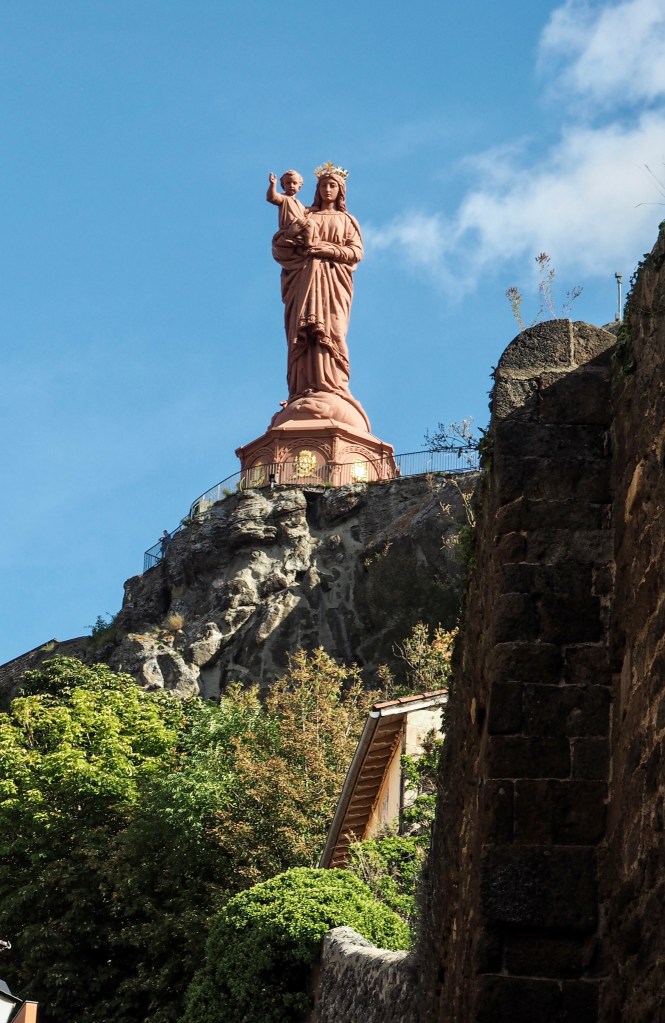
We climbed on interior stairs to the top of the Statue of Notre Dame de France. The statue graces the highest point in Le Puy, France, and offers a spectacular view of the medieval city, home to the Camino that has hosted pilgrims for centuries. The 1860 statue was constructed using cast iron from 213 Crimean War cannons and delivered by Napoleon.

Le Puy marked the beginning of our journey.

Six weeks later, we stood on the iconic bridge in St. Jean Pied de Port, just five miles from Spain. It marked the beginning of the Camino Frances, the most traveled distance trail in the world and our first trek 10 years ago. On our way to St. Jean, we traveled over countless mountains and hills, along valleys, over rivers, and through French villages during an unusual fall heatwave that tested our resolve. Farms, ranches, forests, high plains and much more lined the trail. We stayed in small hotels, a few hostels, and were nearly stranded without accommodation and food more than once.

The memories make our seventh distance trek feel fresh. We are eager to tackle another trail, but where will it take us?

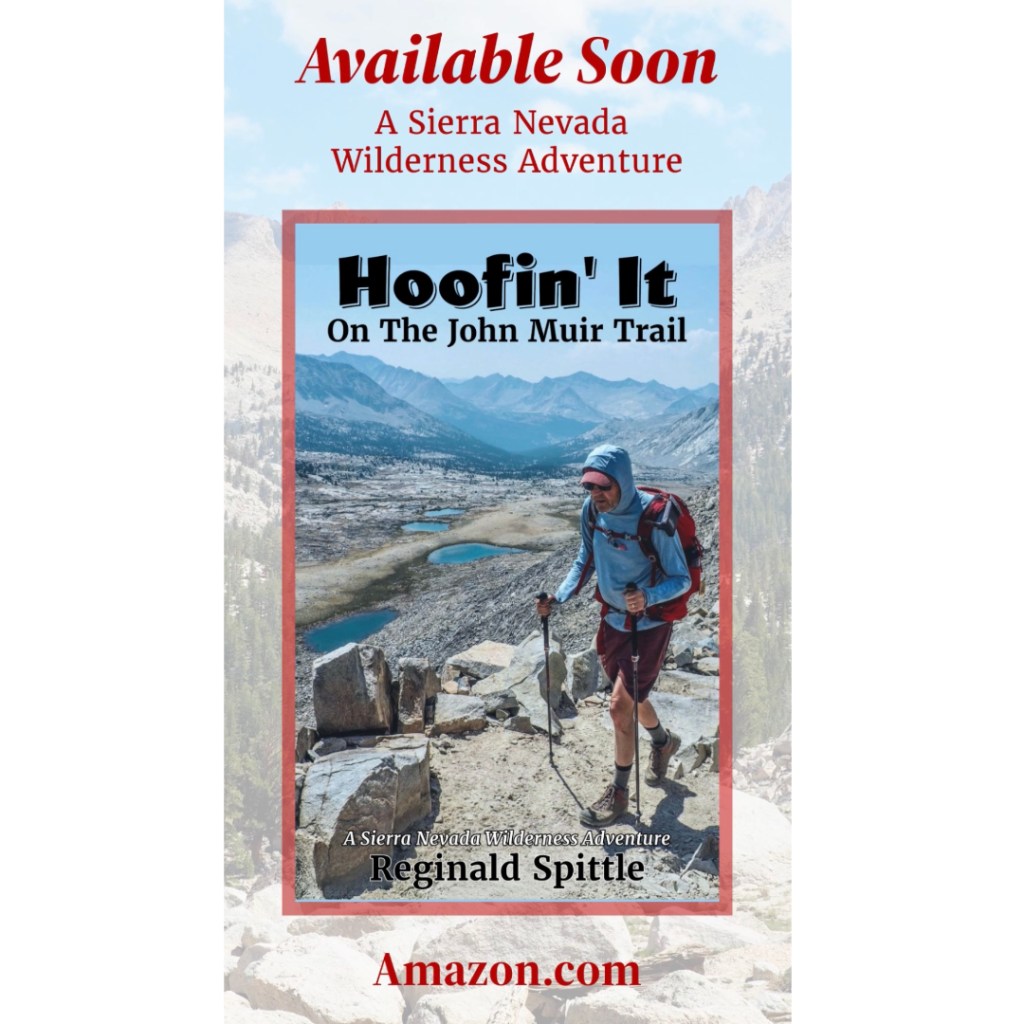
That’s for 2025 to unveil. The beginning of the year will also unveil Reg’s third trekking adventure book; more on that later.

Meanwhile, we will walk vicariously via YouTube and on trails around our Ashland, Oregon home.

Robert F. Kennedy: What If?

What if Robert Kennedy had not been cut down by three bullets from an assassin’s gun?

What if he had overcome his inner doubts and had entered the 1968 presidential race earlier?

What if he had been elected president of the United States?

What if his brother John had not been assassinated? Would there have been a 16-year Kennedy brothers’ legacy in the White House?

In another masterful literary work by the late Pulitzer Prize winner, David Halberstam traces RFK’s personal and political life in The Unfinished Odyssey of Robert Kennedy.

Halberstam focuses on the 1968 campaign for the Democratic Party nomination. RFK brought experience as his brother’s campaign manager in the 1960 election and his role as attorney general under JFK and Lyndon B. Johnson.

Halberstam’s research uncovered intriguing background about the senator’s path to entering the race on March 16, 1968 against antiwar candidate Eugene McCarthy and incumbent Lyndon B. Johnson. Fifteen days later, LBJ shocked the world when he pulled out of the race for re-election. Vice President Hubert Humphrey eventually entered the race and won the nomination. Richard Nixon beat out Ronald Reagan for the Republican nomination.

I still vividly remember my brush with RFK a week before his death on June 6, 1968. Carrying two bags of groceries, I was walking to my family’s rented home on a quiet street in Oxnard, California when a roar of engines approached. I turned to see a man wave to me from the back seat of one of the slow-moving cars. I immediately recognized Robert Kennedy as he flashed his characteristic smile, expressive eyes, and thick head of hair. Arms full, I could not return the wave but I came within a gasp of dropping the groceries, waving, and running after the car. Kennedy had appeared at rallies in Ventura and Oxnard.

On the night of June 4, I listened to Kennedy’s California primary victory speech, my transistor radio pressed between my ear and my pillow. Just after midnight, I was jolted awake by what sounded like a series of firecrackers going off. Shrieks and cries followed as an announcer tried to make sense of the chaotic scene. RFK had been shot three times at the Ambassador Hotel in Los Angeles after his speech and died the next day. Five others were shot and survived.

Just 16 years old, I was devastated.

Assassin Sirhan Sirhan, now 80, is still incarcerated; his death penalty sentence was reduced to life in prison.

RFK’s widow, Ethel, died Oct. 10, 2024 at 96. They had 11 children, including Robert F. Kennedy Jr., who ended his presidential campaign earlier in 2024 and endorsed Donald Trump. After meeting Sirhan in prison, RFK Jr. doubted the conviction and joined conspiracy theorists who believe there was a second shooter.