Chasing Dreams in a VW Bus

In 1972, Jerry Steimel graduated college, jumped into a VW Beetle with his lifelong friend, and set out to live his dream, a cross-country trip to California. But his VW Bug had other ideas, quickly ending the trip with mechanical breakdown.

Steimel’s dream wasn’t deterred. Forty-five years later, he jumped into another Volkswagen, a 1973 air-cooled van, and set out from his home in Massachusetts for another try, this time solo. But Jerry Steimel hardly traveled alone.

In Chasing Zorba: A Journey of Self-Discovery in a VW Bus, he is guided by author Nikos Kazantzakis and his book, Report to Greco, whose life lessons begin each chapter. He names his van Zorba after Kazantzakis’ book Zorba the Greek. Steimel’s goal: California. And so much more.

Some call his plan lunacy. But Steimel is out to discover comfort in taking risks rather than living as if he is just waiting to die. He doesn’t hurry, neither in his writing nor his driving, and his literary and physical journeys are a meander. But, in the end, the book rushes up and grabs readers before leaving them with memories anchored in what it means to live life to its fullest.

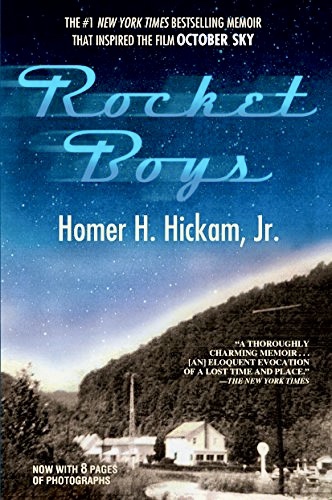
Steimel goes to great lengths to find places, like the West Virginia site where four high school boys launched rockets and their lives to heights beyond their wildest dreams. It is the site of the film October Sky, which Steimel watched a dozen times. That figures, you see, because Jerry devoted 45 years to social work, lifting kids who needed an extra push.

Steimel weaves places and American history with the people he meets as he drives mostly back roads, having to stop more than now and then to take Zorba to mechanics for adjustments. The journey tests Steimel and Zorba in ways they could never have anticipated.

The author and his VW Bus still miss the turn of the key every morning. And I miss wondering what is around their next turn.

Smokejumper Flips His PCT

On the Camino de Santiago, the world’s most-traveled long-distance trek, pilgrims like to say, “Everyone walks their own Camino.”

In Hiking the Pacific Crest Trail: Mexico to Canada, Bruce Wilson describes how he inserted a “flip” in his 2,650-mile endurance test. He began at the Mexican border in April and arrived in the Southern Sierra Nevada early, with dangerously high snow levels ahead. He got rides to Ashland, Oregon, where he flipped his PCT and walked back to the southern Sierra, where he left off. He still faced snow and snowmelt-fed waterways, but his PCT was safer, more passable. To complete his flip, he got rides back to Ashland and resumed his trek.

Nelson’s book brings home the challenges of backpacking for months on difficult terrain that reaches more than 13,000 feet. I am addicted to experiencing the PCT through hikers’ books and YouTube posts and, like many I have followed, Nelson paints a vivid picture of the beauty and the problems he faced. A retired smokejumper from Alaska, he preferred walking on his own, but accompanied others for stretches. There are days that sound just like other days and I yearned for more about his personal journey, but, in the end, I was drawn to turn the pages by an appreciation of his strength, physical and mental.