Whether you call it young adult, adolescent, or coming-of-age, count me as one of many grownups who are avid readers of the genre aimed at 12-to-18 year olds. I am drawn by the powerful characterization in the best of these books. Like you, I was a kid once, and I find good YA fiction relatable, cathartic, and entertaining, to name just a few qualities.
As a teacher, I treasured the opportunity to share the best YA fiction with my students. As a dad, some of my favorite moments of parenthood were when my kids hung on every word when I read books aloud.
Today I spotlight three YA books whose authors have created characters that led me to turn each page of their books with eager anticipation. Two were written by the same woman.
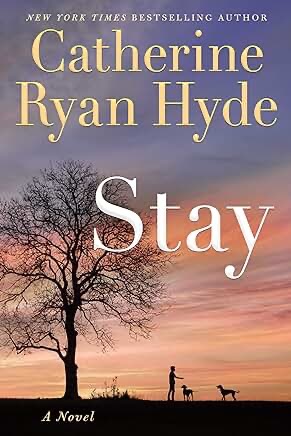
Stay, by Catherine Ryan Hyde. Lucas Painter, 14, has a penchant for caring and a desire to fix people in his life. He literally saves a neighbor woman’s life, but his letter to his brother Roy, who is serving in Vietnam in 1969, has a consequence Lucas could never imagine. The story is told by Lucas when he is 64 and the final chapter grabbed me even more than the rest of the book. Hyde, one of my favorite authors, created other compelling characters in this moving story. This one kept me up at night, as I couldn’t bear to put it aside.
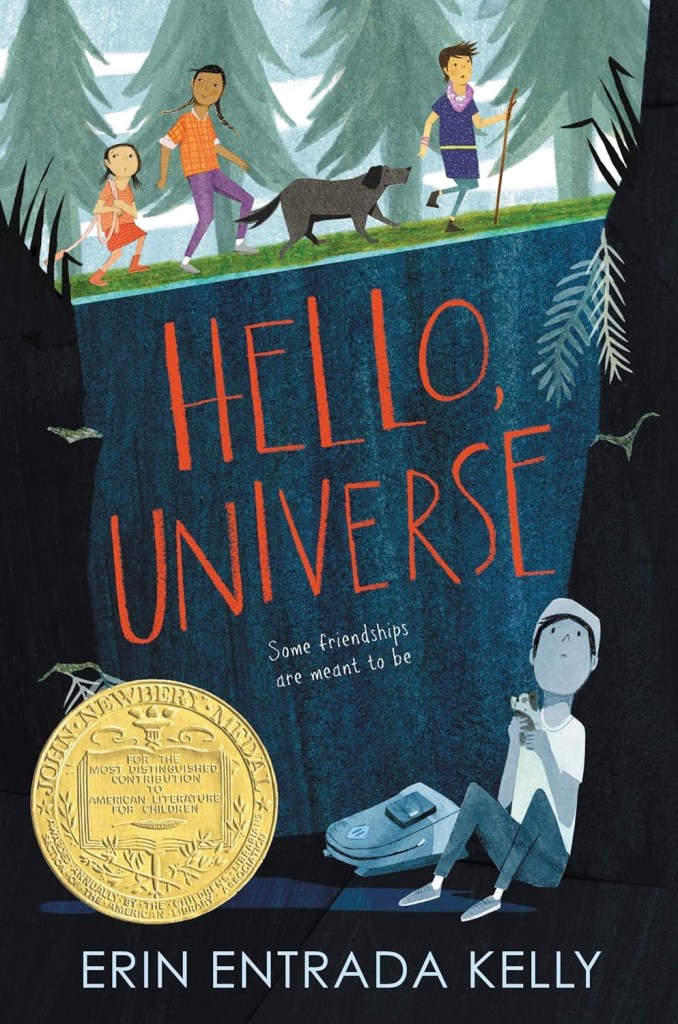
Hello Universe, by Erin Entrada Kelly. Virgil Salinas is a shy, quiet, kind sixth-grader who doesn’t fit in his sports-crazed family. One day, Chet Bullens, a basketball nut who likes to pounce on “weird” kids, commits a prank that transports Virgil and his pet guinea pig Gulliver to a life-threatening predicament. The “joke” causes the boys’ lives to converge with two other kids, self-proclaimed psychic Kaori Tanaka, and Valencia Somerset, who is deaf, intelligent, and lonely. Will the girls get there in time? Hello Universe won the Newbery Medal, one of the most important awards in literature.
We Dream of Space, by Erin Entrada Kelly. Cash is 13, doomed to repeat seventh grade. He loves basketball and watches the Philadelphia 76ers on TV with his dad. He is on his middle school team even though he can’t shoot, but a broken wrist sidelines him. His twin siblings, 12, are also in seventh grade. Fitch, afflicted with a terrible temper, is an arcade player, playing daily until he runs out of quarters. Bird dreams of being the first woman to command the space shuttle. They have a tense life at home, where their parents argue endlessly. It is January 1986. Their science teacher assigns them to form crews to simulate shuttle flight, not imagining for a moment what would happen to the Challenger while her students watch the launch. We Dream of Space portrays daily middle school life while the teacher poses big questions, like “Why do we go to space?” to her students. The book was a Newbery Honor Book.
I have reviewed several other Catherine Ryan Hyde’s books; you can find them on “My book reviews” in the menu.