

Kelly Floro was 23 when she quit a life many dream about to spend six months on the Appalachian Trail.
“Good thing I was such an idiot,” she writes in a post on The Trek website.
(There are ads on the post.)
Kelly Floro was 23 when she quit a life many dream about to spend six months on the Appalachian Trail.
“Good thing I was such an idiot,” she writes in a post on The Trek website.
(There are ads on the post.)
Newfoundland’s East Coast Trail is North America’s easternmost coastline path. While camping near St. John’s, Sue and I sampled three varied sections.
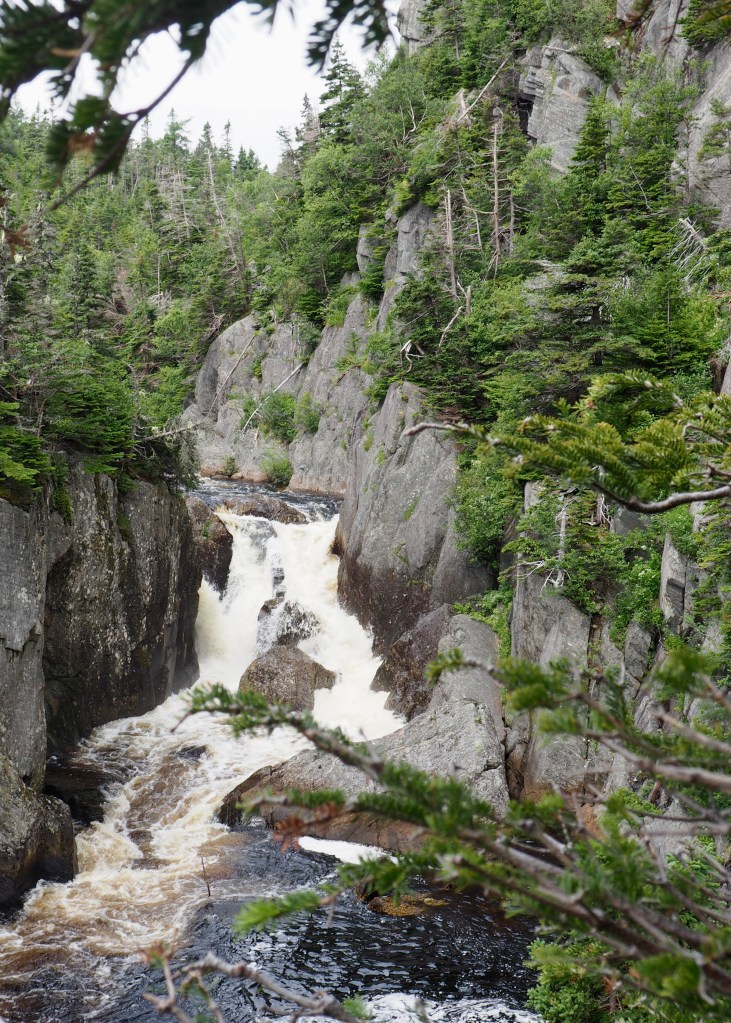
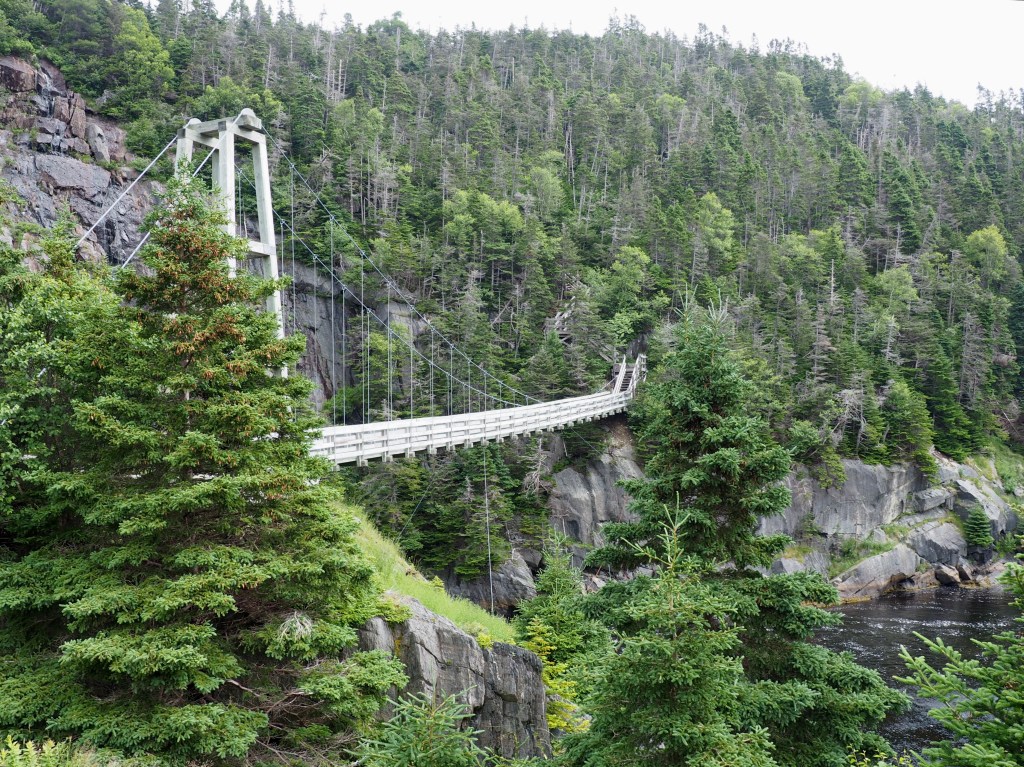
Measuring 168 miles, 25 paths are connected by 41 miles of community walks. On the La Manche Trail, we walked over a swaying suspension bridge that spans a wild waterway flowing into the Atlantic Ocean.
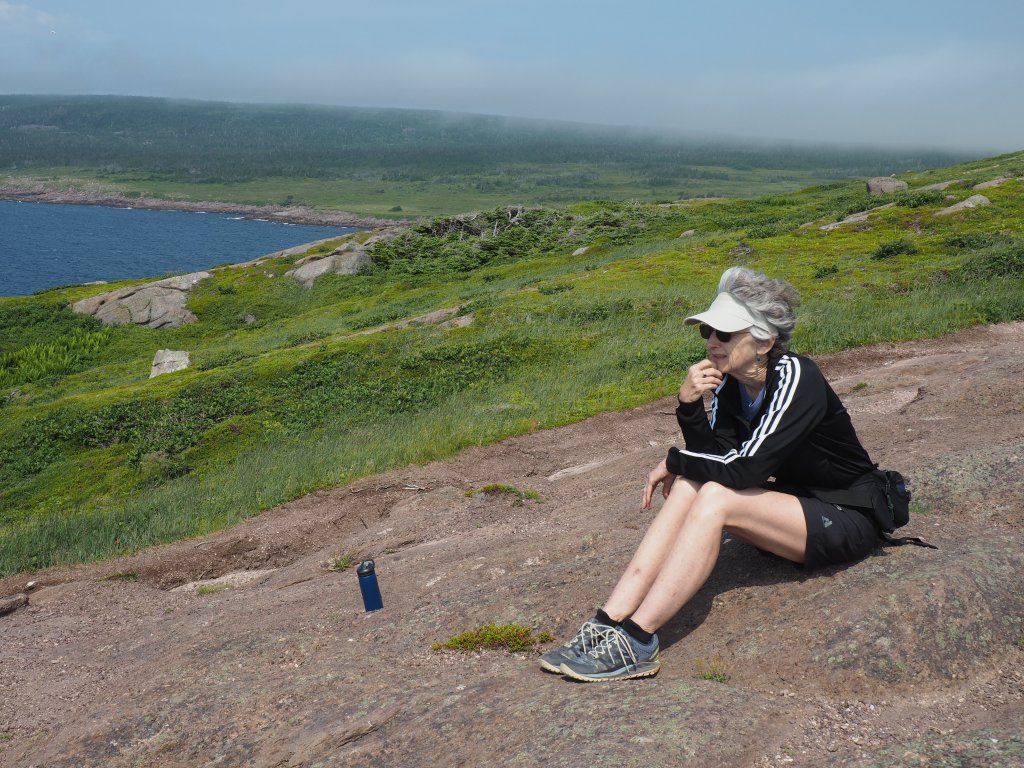
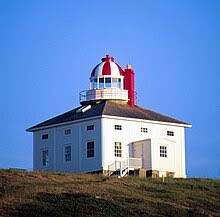
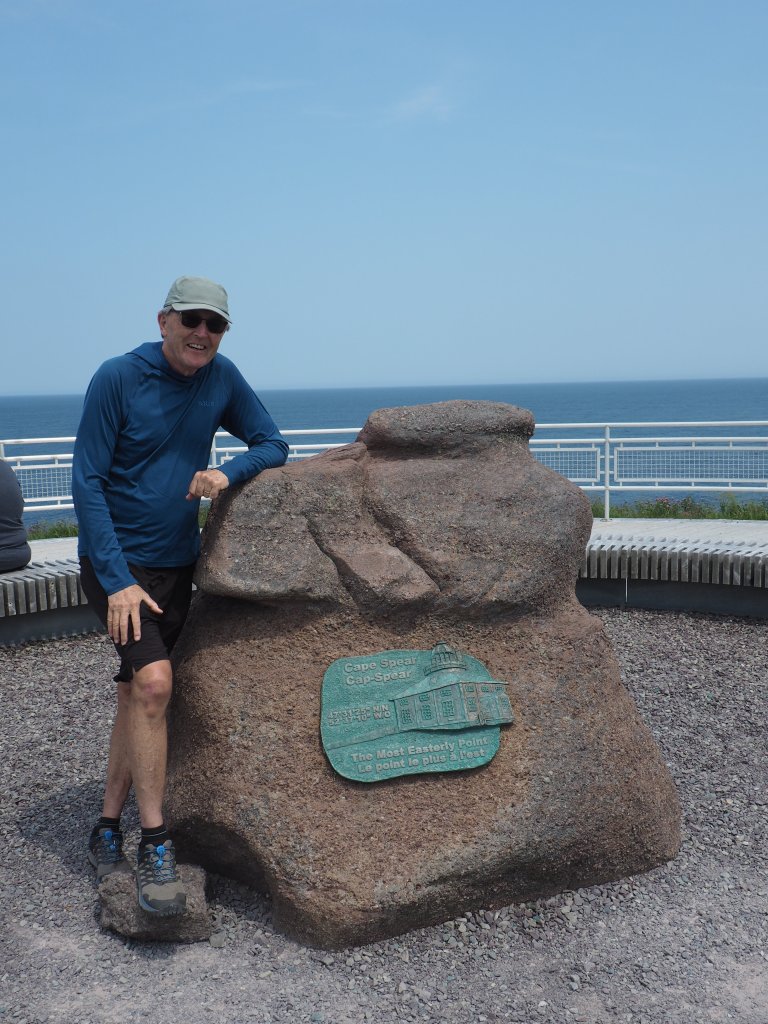
Sue took a break at North Head, a three-mile walk from Spear Lighthouse, where I stood at a plaque marking the easternmost point in North America, excepting Greenland. Some argue Alaska wins that title, though, since it extends into the eastern hemisphere.
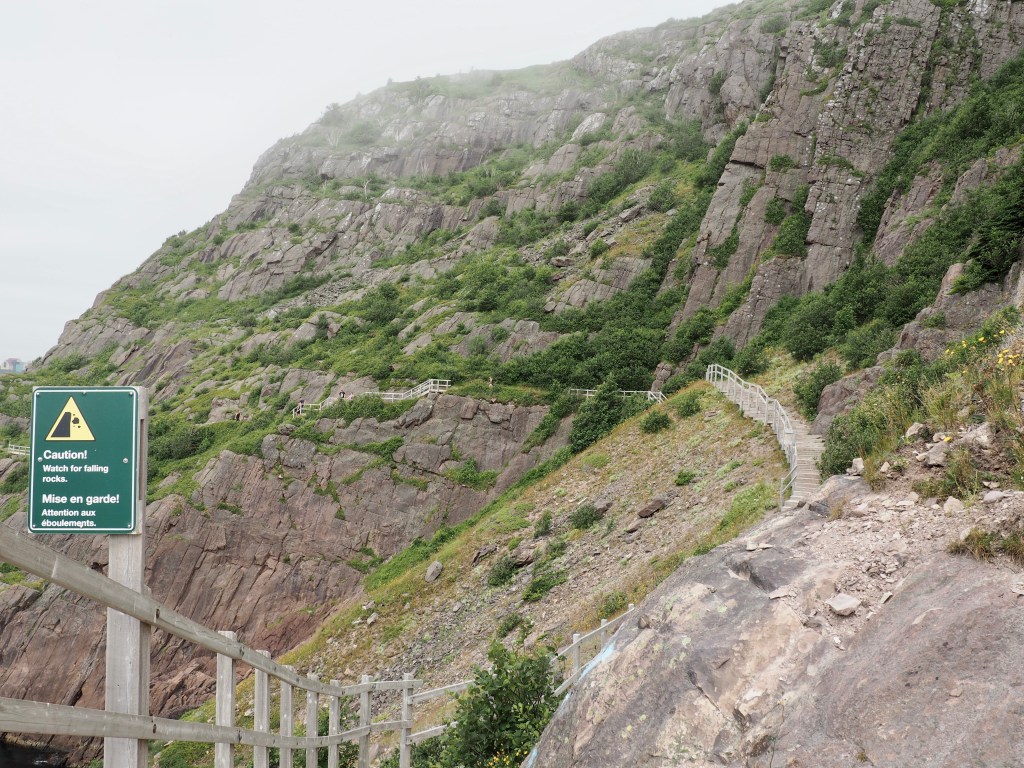
At St. John’s Harbor, a cliff-hugging path encircles Signal Hill, where flags on a tower were flown for many decades to alert the city if approaching vessels were friend or foe. Today, locals use this section to test their endurance on steep ascents and descents.
We found stunningly beautiful scenery on the East Coast Trail, punctuated by boardwalks over marshland as well as rocks, gnarled roots, and mud that slowed our progress. There are designated campsites in some areas, even wooden decks for your tent.
Our weather in July was mostly dry with temperatures in the high 60s and low 70s; we dodged winds that can blow your hat off.
Volunteers with the East Coast Trail Association won’t stop until they expand the path to 373 miles.


 Books and my backpack