PCT Trekker Brings Home the People

I’ll admit that I am addicted to distance-trekking books, not because I have written a couple of them, but because good ones make me feel like I am back on the trail.

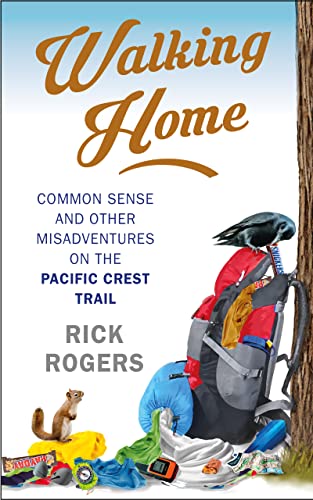
Rick Rogers’ Walking Home brought the Pacific Crest Trail to life like no other account I have read. It is more about the people than the 2,650-mile trail from Mexico to Canada. Rogers’ insights and descriptions about his fellow thru-hikers and himself are entertaining, insightful, and chuckle-worthy.

In his mid-60s, he begins his journey with a pen pal whom he had not met and ends in his home state of Washington with his son, a third-grader. Along the way he meets a plethora of personalities that keep the book moving along at a mostly fast pace. He avoids some people and eagerly walks with others, cleverly and bluntly giving the reasons for his choices.

A former climbing instructor, his gear choices are questionable, even poor. He finds his only pair of shorts at WalMart and he knows they are made for women, but buys them anyway, leading to some funny situations that made me laugh. Maybe I even laughed at him because he should have known better.

Along the way, Rogers sprinkles instructive words of wisdom about backpacking, walking, and choices in people. Traveling in 2018, he encounters so much snow in California’s Sierra Nevada that he has to skip north and reverse direction—a flip—to avoid disaster. He then drives a rental car to Oregon to pick up where he left off.

There were times I would have liked more observations about the PCT, but in the end, Rick Rogers made me feel like those who walked with him were better for knowing him, but they may not have realized it until they returned home.
The White Mountains: Nightmare or Dream?

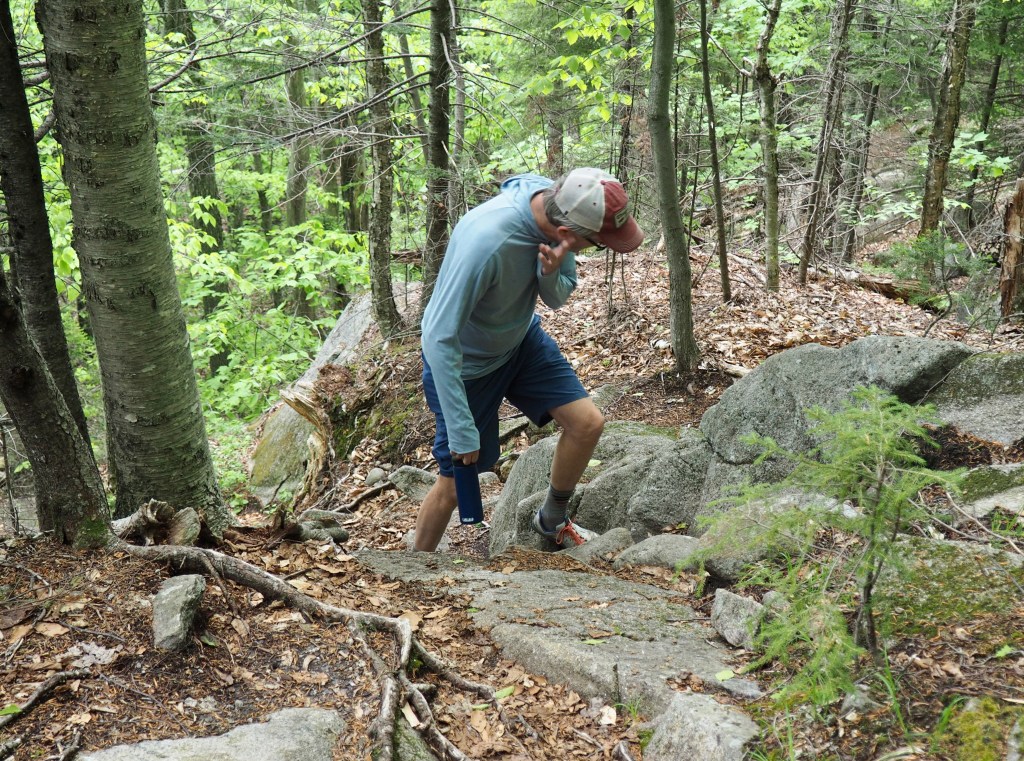
New Hampshire’s White Mountains draw complaints from many Appalachian Trail thru-hikers, but attract legions of walkers seeking to enjoy the sights and challenges of day hikes. Known for its rugged, steep terrain, the area has been our home for six days as we climbed and descended five trails, leaving many more for next time.

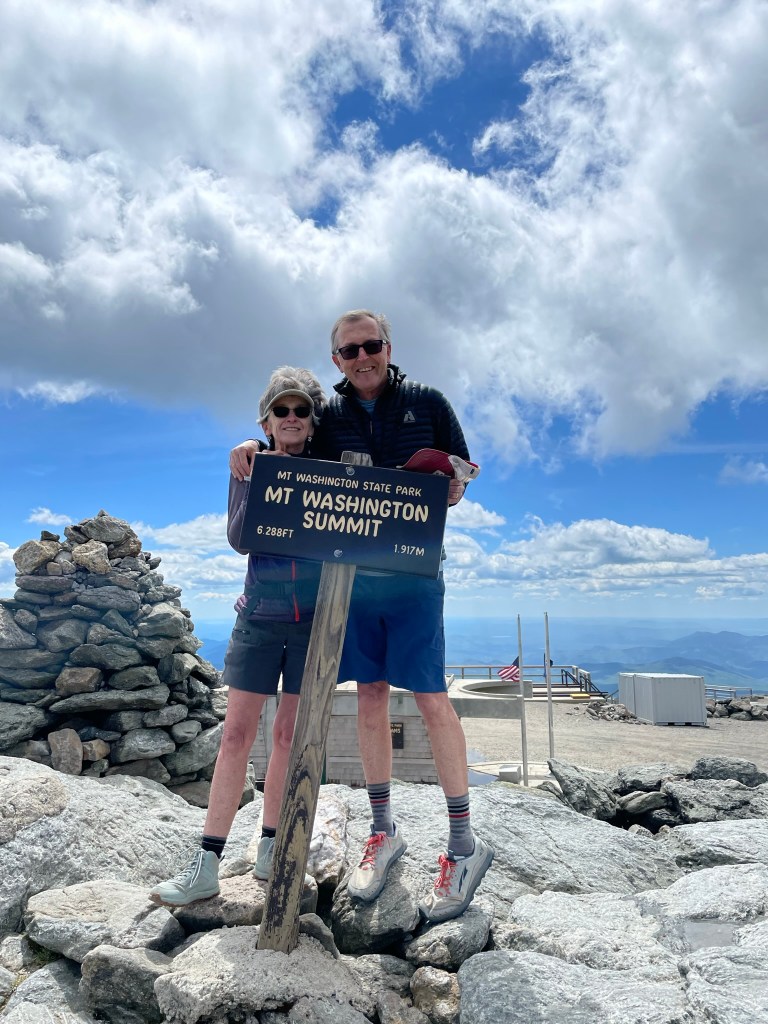
The highest peak in the Northeast, Mount Washington offers more than 4,500 feet of ascent from its base and three ways to get to its 6,288-foot peak: on foot, on the cog railway, and by car. The climb was intimidating and the price tag of the train was too high, so Sue and I opted to drive our truck for $53—a fourth the cost of the train. It was a perfect day for 100-mile views after we squeezed by descending vehicles on the harrowingly narrow, cliffside road.

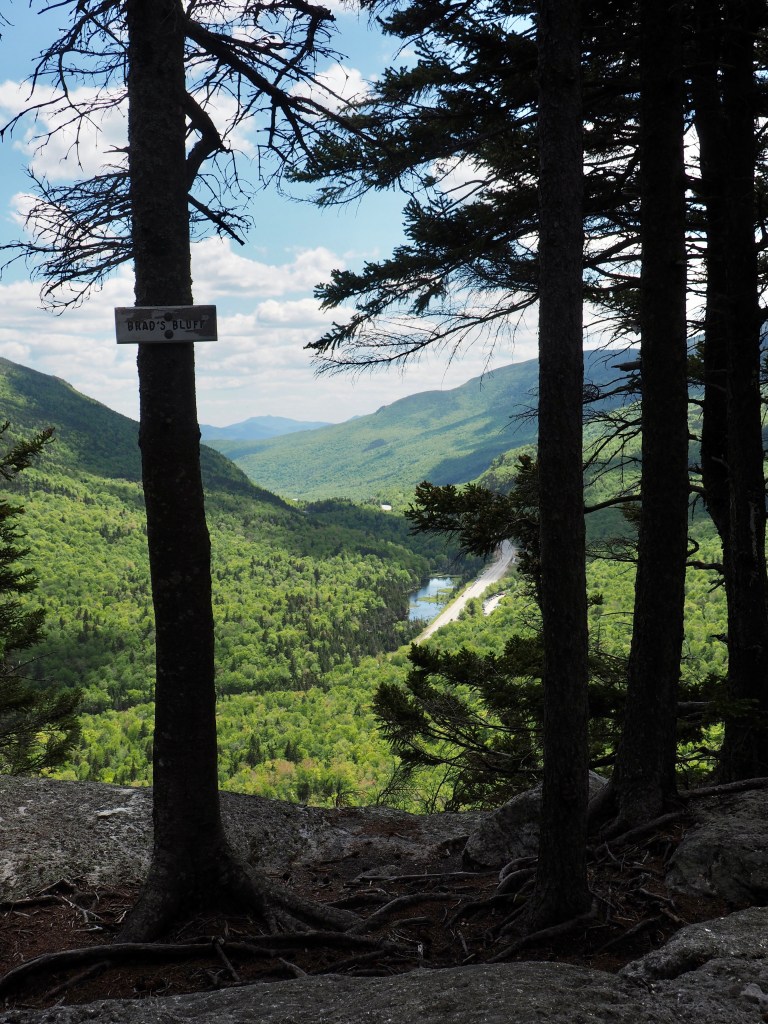
Later, at Mount Washington’s eastern foot, we popped into the Pinkham Notch Visitor’s Center, the starting point for the Tuckerman Ravine trail to the top of Mount Washington. From a network of paths, we took the Liebskind’s Loop, which overlaps part of the Appalachian Trail and lifted us high enough for a spectacular view from Brad’s Bluff, still well below Mount Washington’s peak. Mount Washington also holds the record for the highest wind speed ever recorded: 231 miles per hour, in 1934.

Northern New Hampshire and the Whites offer a host of trails, including paths to many of the peaks in the area. The difficult terrain kept us from trying the longer and more challenging routes. We chatted with an AT thru hiker who had diverted from the AT to the Mount Washington peak.

“How are the Whites treating you?” I asked him.

He rolled his eyes. ”When I look behind me, I can’t believe what I climbed. This (Mount Washington) was actually easier than most of the others.”