Seven Novels That I Still Can’t Put Down

Looking for a novel with a compelling human angle? Here are seven I enjoyed very much; click on the links to read my brief reviews. I would love to hear your thoughts about any or all of them.

Boy at the Crossroads, by Mary Ford. Conley Ford, 13 years old, can no longer cope with his impoverished life that includes an abusive father. Bad choices on the road are offset by his appearance that makes him look 17. His final crossroad may surprise you.

Camino Club, by Kevin Craig. Six wayward teenagers are sentenced for their crimes. Their punishment–to walk Spain’s Camino de Santiago–delivers them to places they never imagined. I almost finished this in one day, it was such a gripping story.

Siddhartha, by Herman Hesse. Siddhartha is a handsome young Brahman who is wealthy, exceptionally intelligent, and loved. He seems to have it all, but he feels unfulfilled. In this classic, he sets out to find fulfillment.

13 Reasons Why, by Jay Asher. Whether or not you watched the popular Netflix series, this book weaves depression and teen angst with scenes of bullying, rumor-mongering, stalking, lying, and a horrific crime. A teen suicide sets off the intriguing story.

The Humans, by Matt Haig. A sci-fi story by one of the most-read British authors. An alien comes to Earth with a mission to kill, but human nature intercedes–in most cases. A moving story with playful scenes. One of the best books I have read in 2023.

Okay for Now, by Gary D. Schmidt. I loved this book so much that I sent a copy to each of my three adult sons. To be honest, I wished they were kids again and I could read it aloud with them, like I did with countless stories when they were growing up. A coming-of-age story that will tickle your funny bone and touch your heart. Truly an exceptional book.

The Only Way Home, by Jeanette Minniti. It is 1933, the depth of the Great Depression and the low point of 15-year-old Robert’s life. His father has died and his mother seeks ways to feed her five children. They lose their home and move into a tiny house. Robert, like many other older children of the times, makes decisions adults would find daunting.
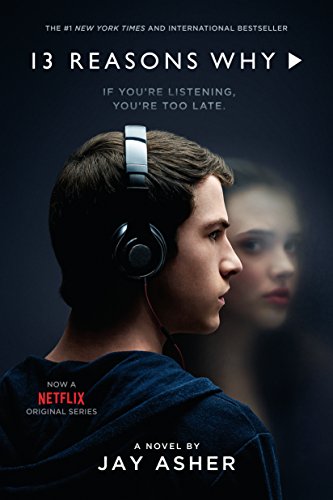
13 Reasons Why: A Search for Answers

After a loved one takes their own life, family and friends are often left wondering. What did I miss? Could I have prevented it? They try to answer the big question: Why? Guilt and confusion sometimes accompany grief and even anger.

Before 17-year-old Hannah Baker commits suicide, she narrates 13 cassette-tape recordings on seven double-sided tapes. Two weeks after her death, Clay Jensen, her high school classmate who so badly had wanted to ask her out, finds a shoebox on his doorstep. Inside he finds the tapes with a note to pass them on to the next person who is addressed by Hannah Baker’s words.

In the young adult novel, 13 Reasons Why, author Jay Asher describes how each recording is aimed at a person or event that contributed to Hannah’s decision to take her own life. Her goal is to answer the question: Why?

The story alternates between her words and Clay Jensen’s thoughts and reactions as he struggles with guilt and anticipates what Hannah will finally say about his role.

The compelling story weaves depression and teen angst with scenes of bullying, rumor-mongering, stalking, lying, and a horrific crime. Clay Jensen realizes it’s not about what he did, but about his missed opportunities.

A New York Times bestseller for three years, 13 Reasons Why drew critics and demands across the country to ban the book and keep it away from impressionable young people. Some called Hannah Baker a “drama queen” who should have been tougher. Others questioned whether teen-agers really take “little” things so seriously. For Hannah, life is a snowball of painful events that spins beyond her control.

The reality is that suicide is the second-leading cause of death among 10-to-24-year-olds and the list of causes includes depression, substance abuse, sex abuse, social isolation and bullying.

Normally, I read the book before watching the movie or TV show. In this case, I watched all four seasons of Netflix’s 13 Reasons Why a while back, then recently read the book. The first season’s episodes expose the recordings and Hannah’s life; the other seasons extend the story into the aftermath. During the first season, I was drawn to each episode, thinking the story would help troubled youths deal with difficult issues and even encourage some to reach out for help. Others might be led to realize how “little” comments or deeds can cause devastating pain.

Although I sometimes had trouble remembering that the italic font was Hannah talking, I found her story and Clay’s reactions realistic. My heart ached as Clay cried. I looked for words that would bring comfort for Hannah’s family and friends.

But, despite her recorded words, I was still left wondering about Hannah Baker’s death.

Why?