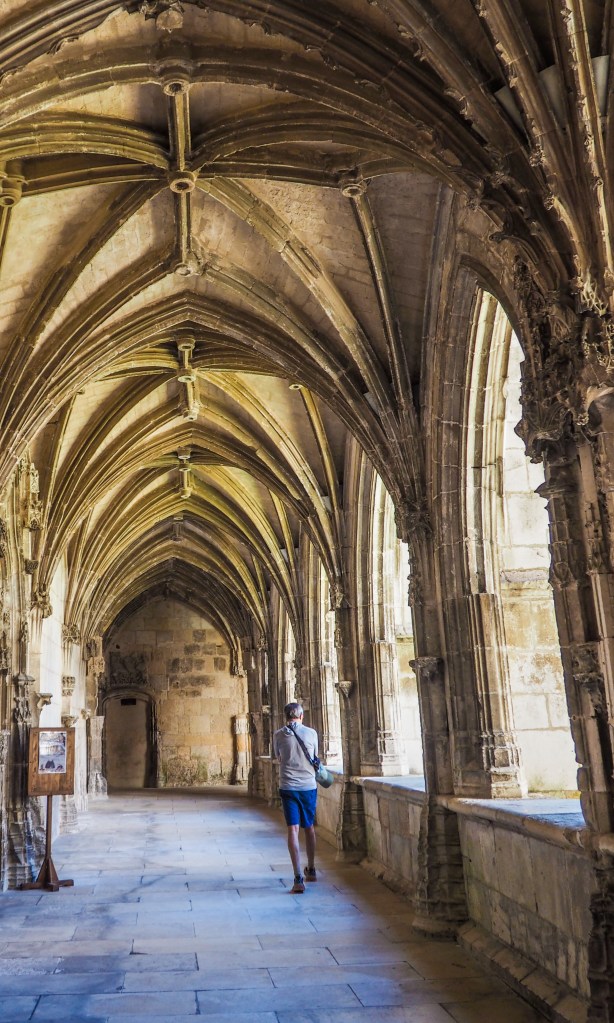
Pilgrims have walked this cathedral hall for hundreds of years.
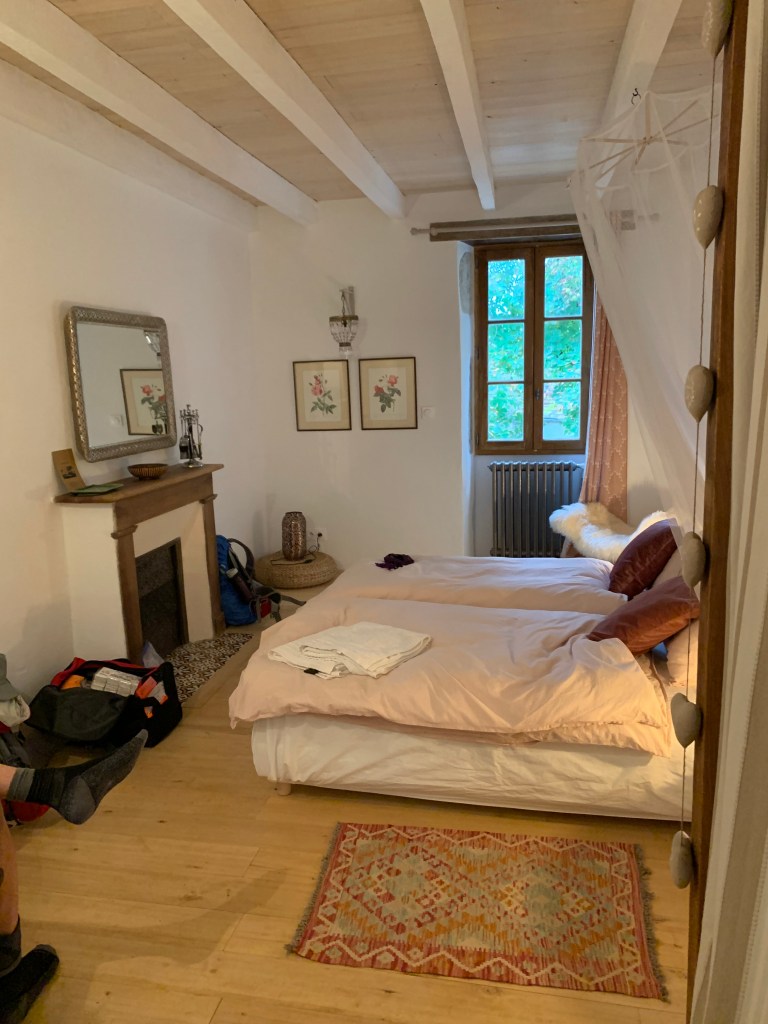
Our hotel in Cahors; we have the corner room on the third (second in Europe) floor.
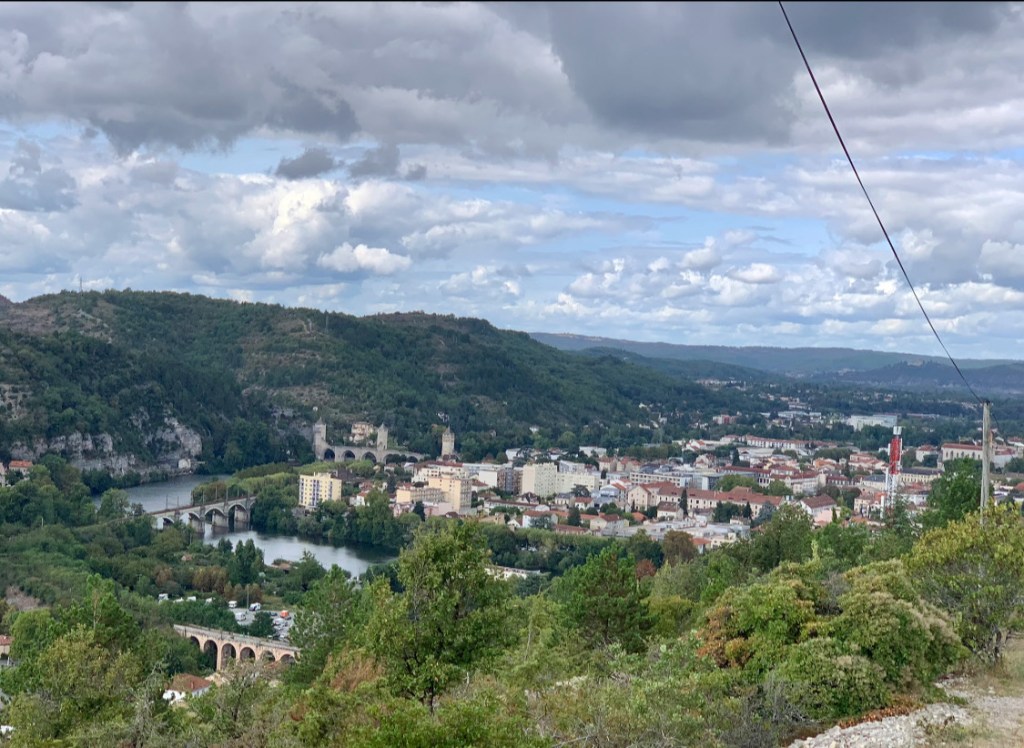
Our rest day in Cahors offered a pause for reflection about the path that is guiding us across France. For many we have met, the 500-mile French Camino is their Christian pilgrimage that has its roots all the way back in the 10th Century.
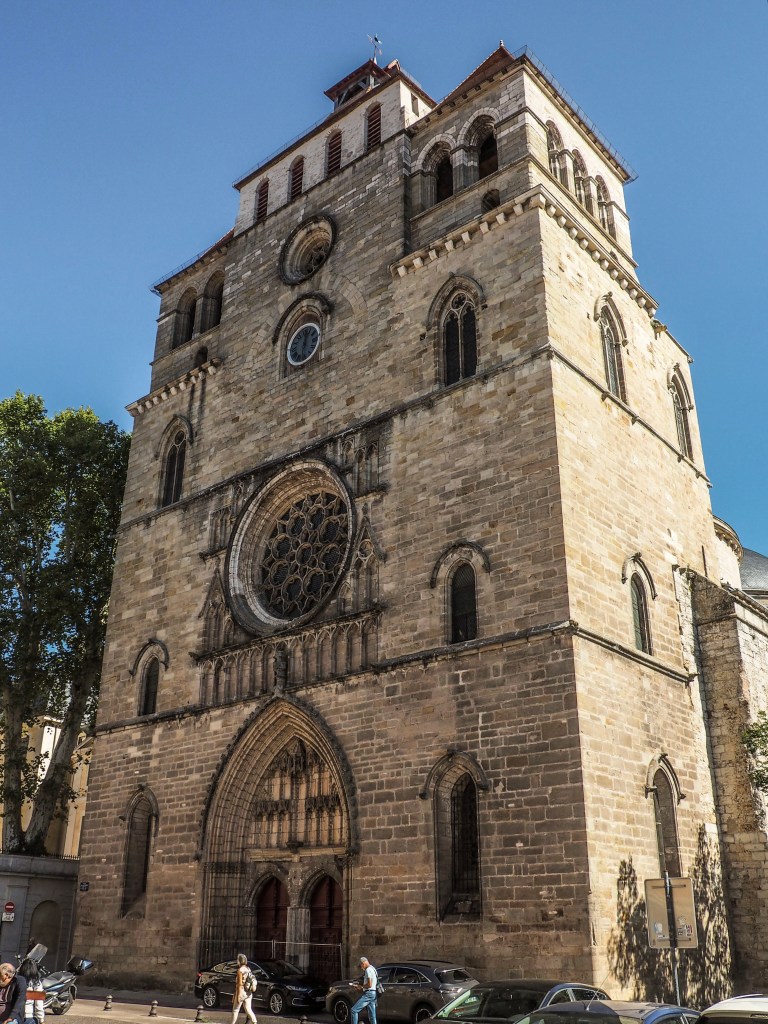
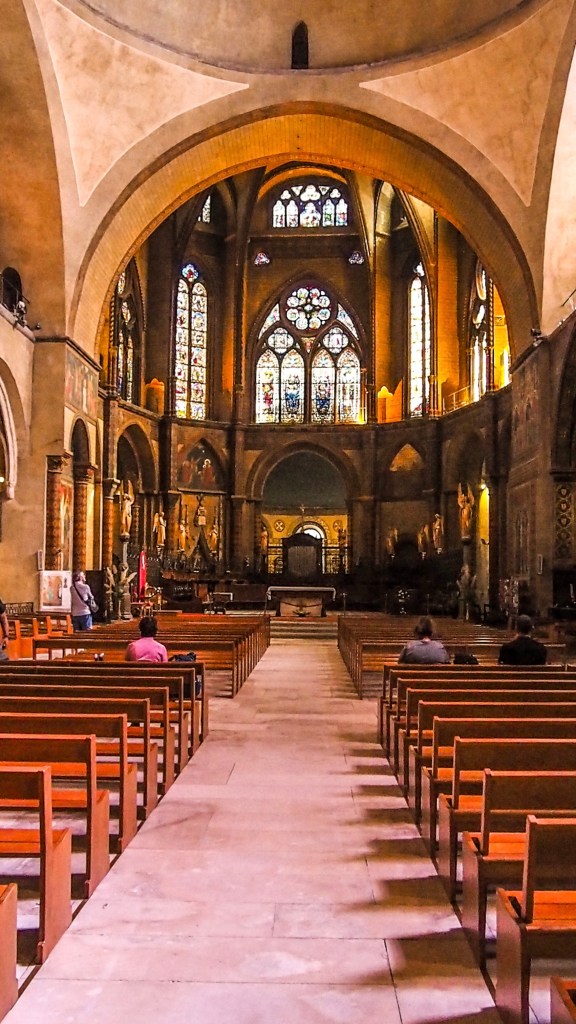
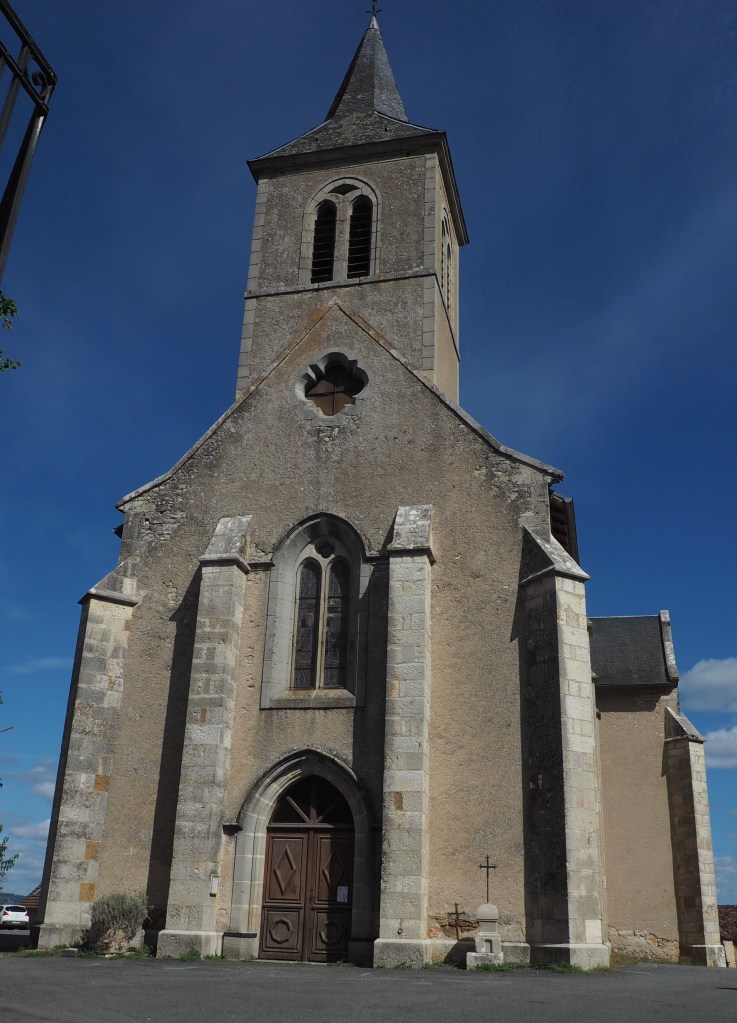
The Cahors Cathedral is a majestic reminder of the religious significance of the walk to the cathedral in Santiago de Compostela, Spain, where the disciple St. James is believed to be entombed. We have visited countless churches as we near the halfway mark of the French section; the Cahors building is one of the most impressive.
As I have walked this trail, my mind has wandered in many directions. Today, in Cahors, as Sue and I strolled the streets of this historic city, I was reminded that I walk where thousands and thousands have walked before me.
Sue will soon have more photos from Cahors on our website, carryoncouple.com.
Pierrot runs this pitstop with a warm welcome to all!
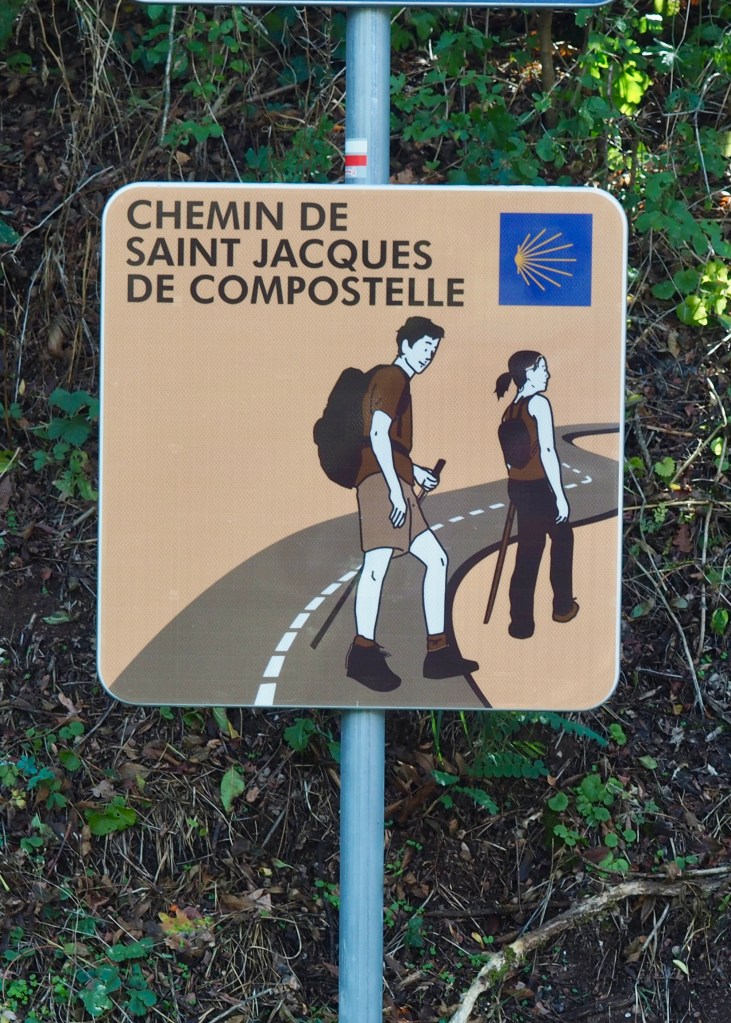
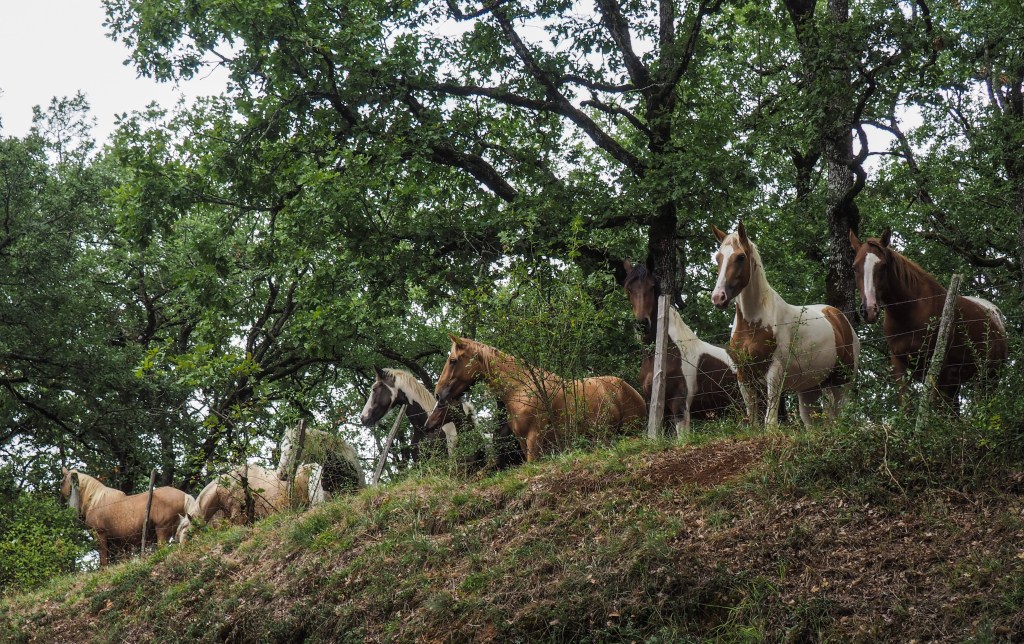
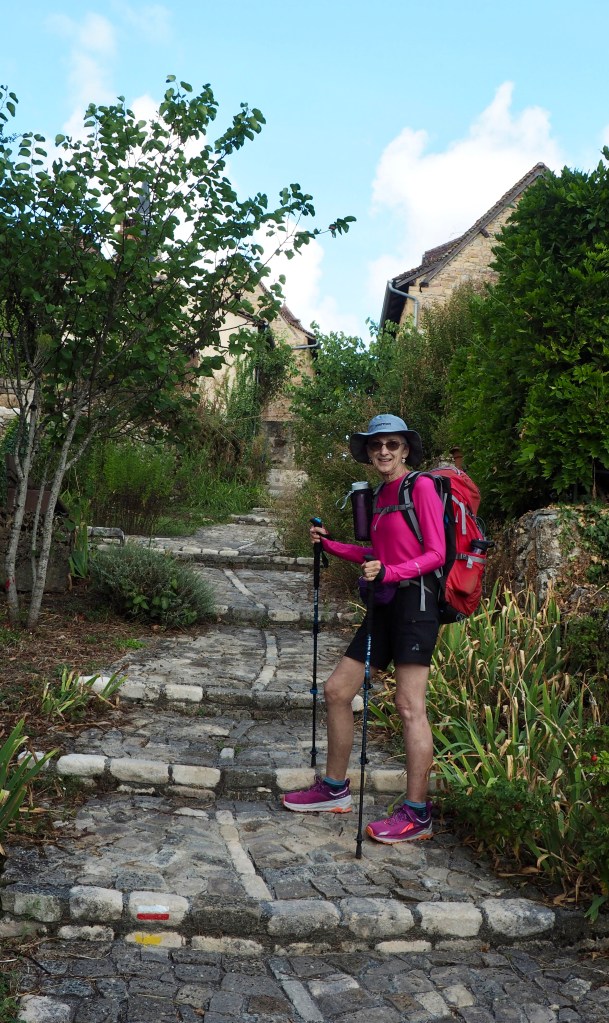
Sue and I are still walking! Check out the slideshow above to see highlights. We arrived today in Limogne, France on the Via Podiensis, or GR65. We began our trek in Le Puy on September 3.
Here’s an updated roundup:
The stats: We have walked 261 miles and climbed 24,757 feet, according to GPS tracking. The distance is more than the listed mileage in the guidebooks, but other walkers tell us the published numbers are low.
The people: Fellow backpackers are quite friendly and most speak at least passable English. (Way better than our French) Most are doing just a section of this nearly 500-mile trail, but we have met several who plan to walk all the way to Santiago de Compostela in Spain, about 1,000 miles from Le Puy. We plan to go to the end of the Via Podiensis in St. Jean Pied du Port. We chat with a surprising number of fellow trekkers over and over as we meet up along the trail, in accommodations, over dinner, or drinks.
Who are they? The majority are at least middle-aged and they come from many countries in western Europe (especially France), along with a smaller number from Australia, Canada, and the USA.
My leg: Aleve and a brace are keeping my Achilles injury under control. An upcoming rest day won’t hurt either.
The weather: We have had several days of temperatures in the 70s, a break from the upper 80s and even 90s (along with high humidity) that have tested us during most afternoons. We dodged rain today and enjoyed the cool.
Our rooms: We have stayed in two-star hotels, gites, a converted convent, a hostel, and are in a charming apartment on a old farm tonight. Most have been fine, a few have been wonderful, and a few spartan.
The food: Heavier than we eat at home. Mostly good, some excellent. Many of our meals are a set menu for half-boarders like us. Lots of meat, some salads as accompaniment and a few with fresh veggies. Some pizza, lasagna, and pasta. The beef has been very rare no matter how we order it. Tonight, since we are in a rural area, our host drove us to a restaurant where she arranged a reservation for us. The meal was superb: fresh fish, mashed potatoes, and vegetables.
Breakfasts? Croissants, baguettes, jam, yogurt every day. Maybe corn flakes or granola cereal. The coffee has been mediocre most days, a surprise for us. No French roast, that’s for sure.
Lunch? We try to find fresh sandwiches for a trailside picnic; sometimes it’s crackers and cheese with a tangerine, chips, and peanuts.
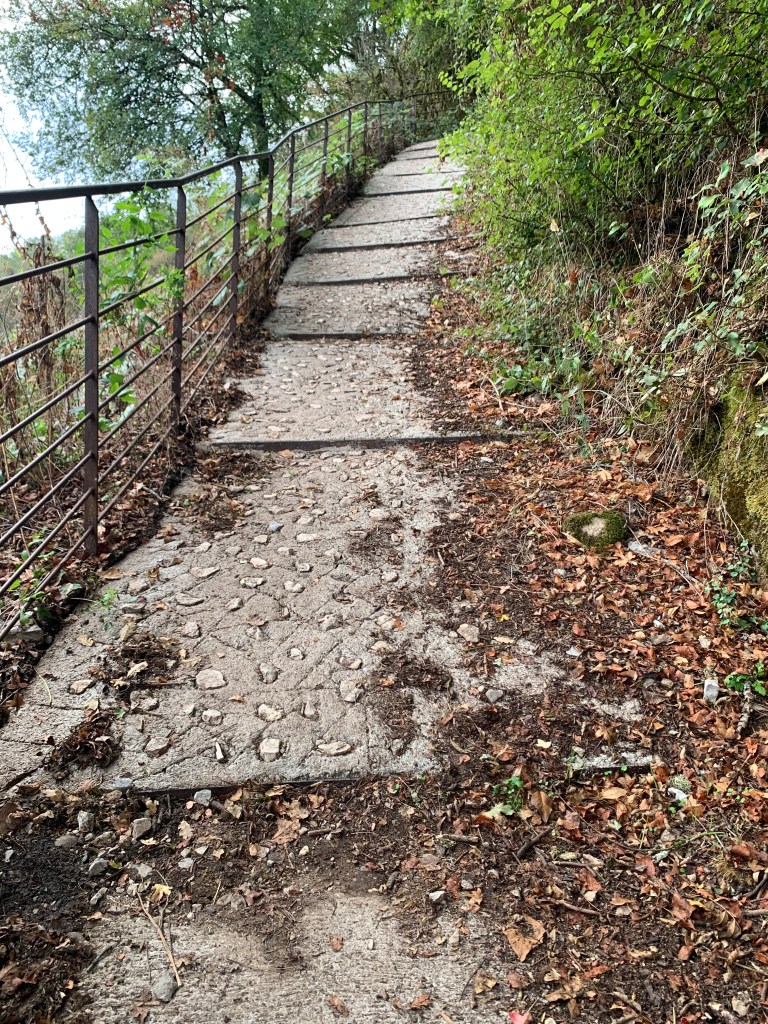
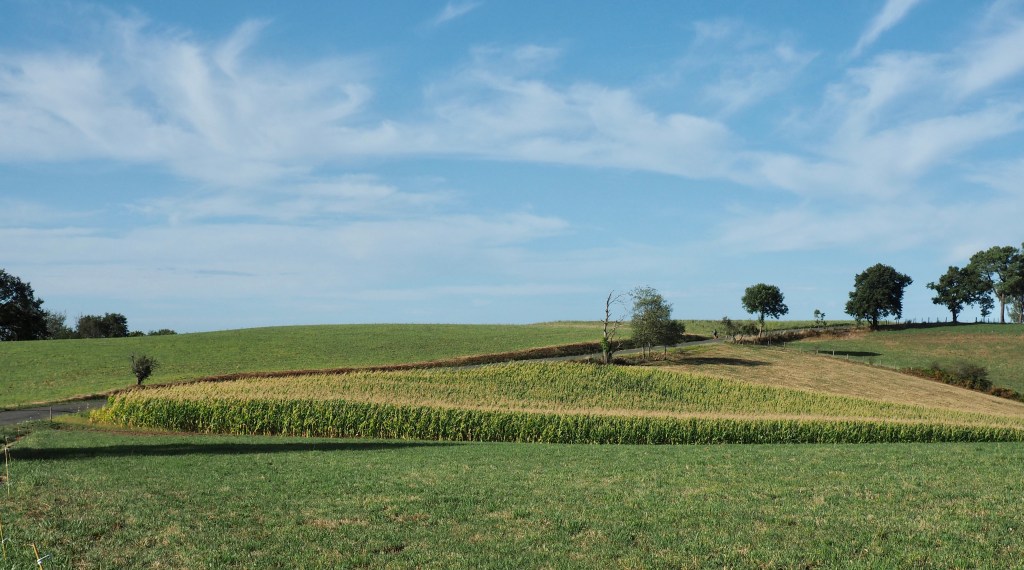
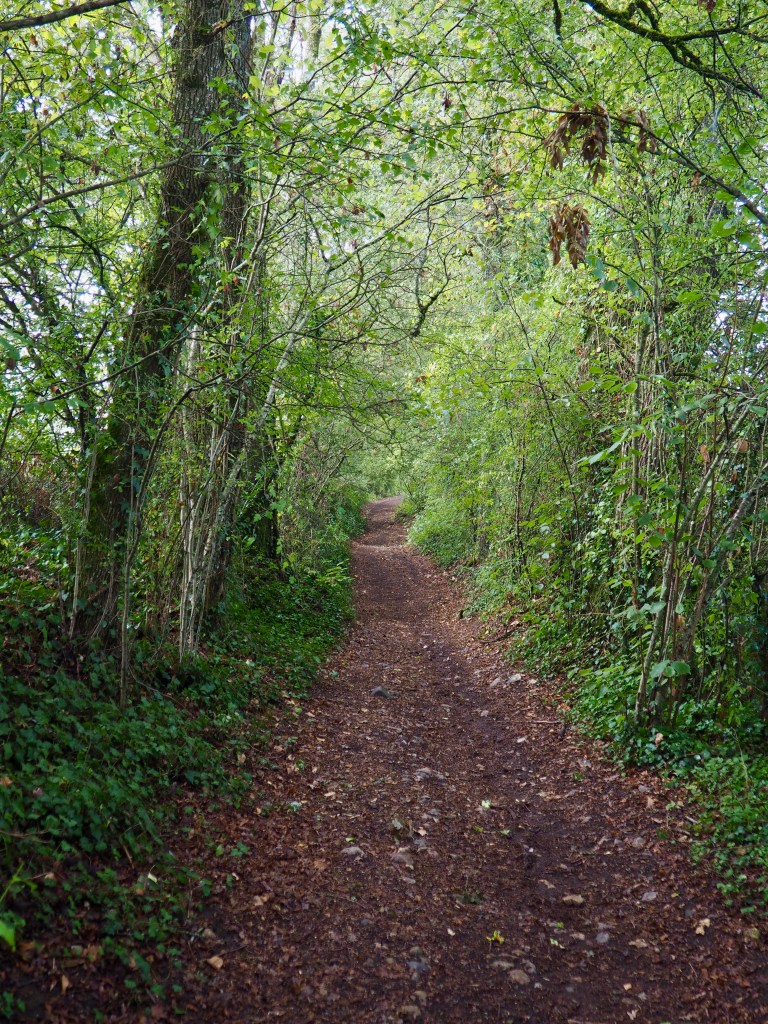
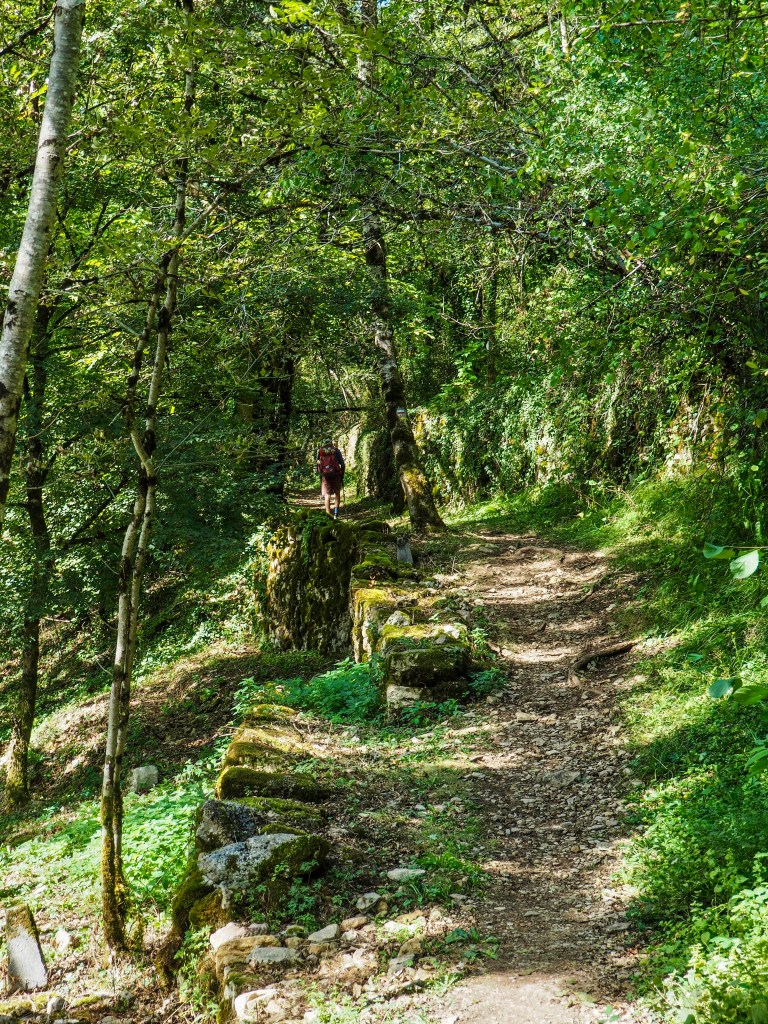
The roads: About 40 percent of the trail so far has been on or next to asphalt roads, especially brutal for our feet on the hot days. The rest have been on packed gravel/dirt farm and ranch roads or single-track dirt/rocky trails.
Toilets and water: The French camino, unlike its cousin in Spain, offers public toilets and potable water in most daily walking sections. The toilets are usually well-maintained; a few have been rustic (see photo in slideshow).








 Books and my backpack