
Sue and I have journeyed to Ireland to help our son Andrew and daughter-in-law Charlotte settle into their new home in Dublin.
We are excited by their adventurous spirit, but sad that they will be so far away. Andrew is bringing our family back to its roots. His grandmother was raised here and her Johnston family members were longtime farmers in the Waterford area. So, Andrew, his brothers, and I are Irish citizens, but can’t prove it since birth certificates have been elusive.
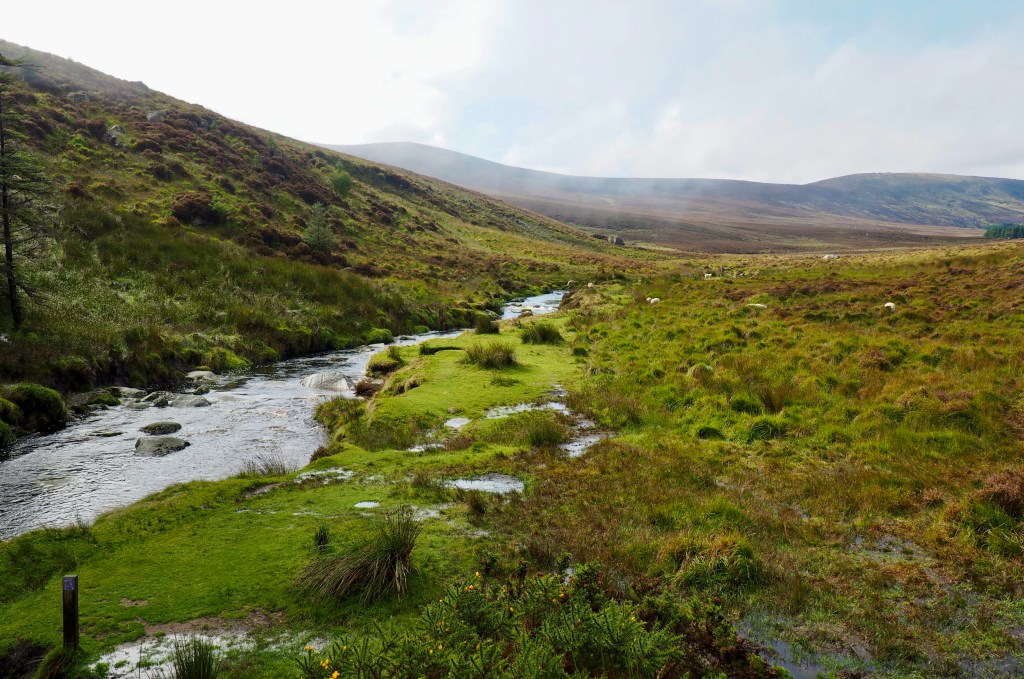
Andrew and Charlotte led us on a driving tour southwest of Dublin through Glendalough National Park, which reminded by us of the Scottish Highlands without the tall mountains. Like Scotland, Ireland is home to roughly 5 million people, but boasts a milder climate. Thanks to a U.K.-Ireland agreement, my British citizenship allows me to live here, but I doubt that is in our future.
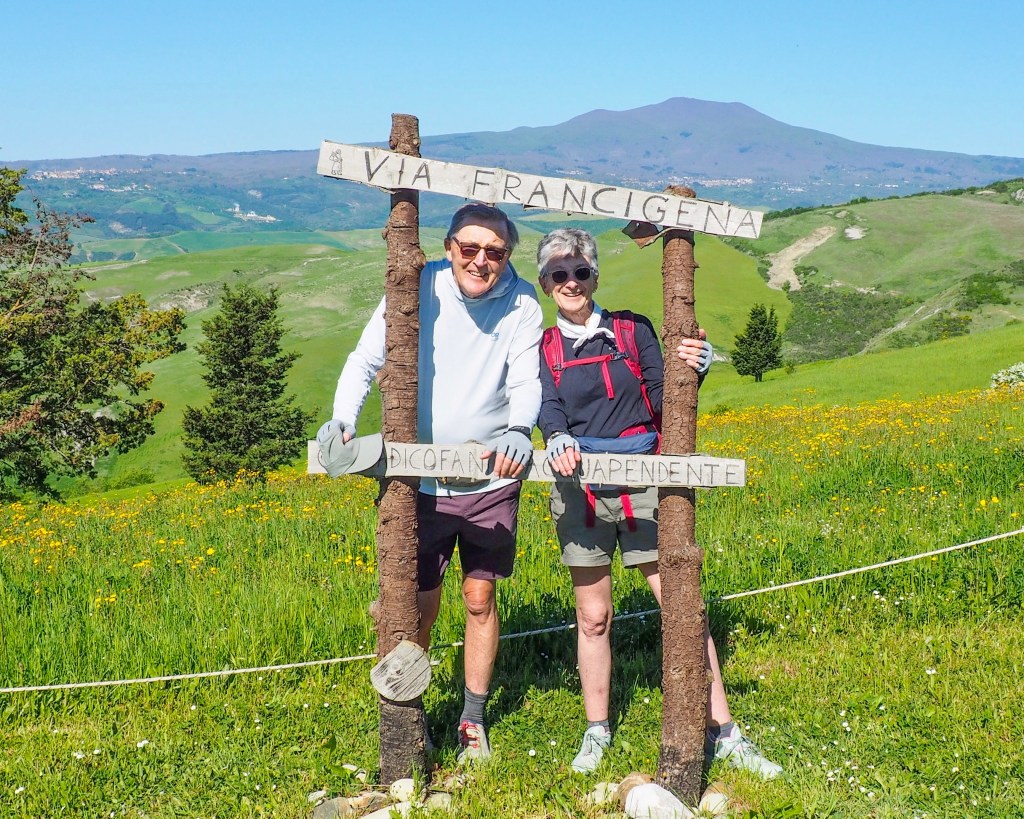
Our visit also presents us with a look at a country brimming with distance trails. Hmm, which will be first?
 Books and my backpack