
A little late, isn’t it? You’re right, but I hope you’ll forgive me for focusing on the launch of my third book.
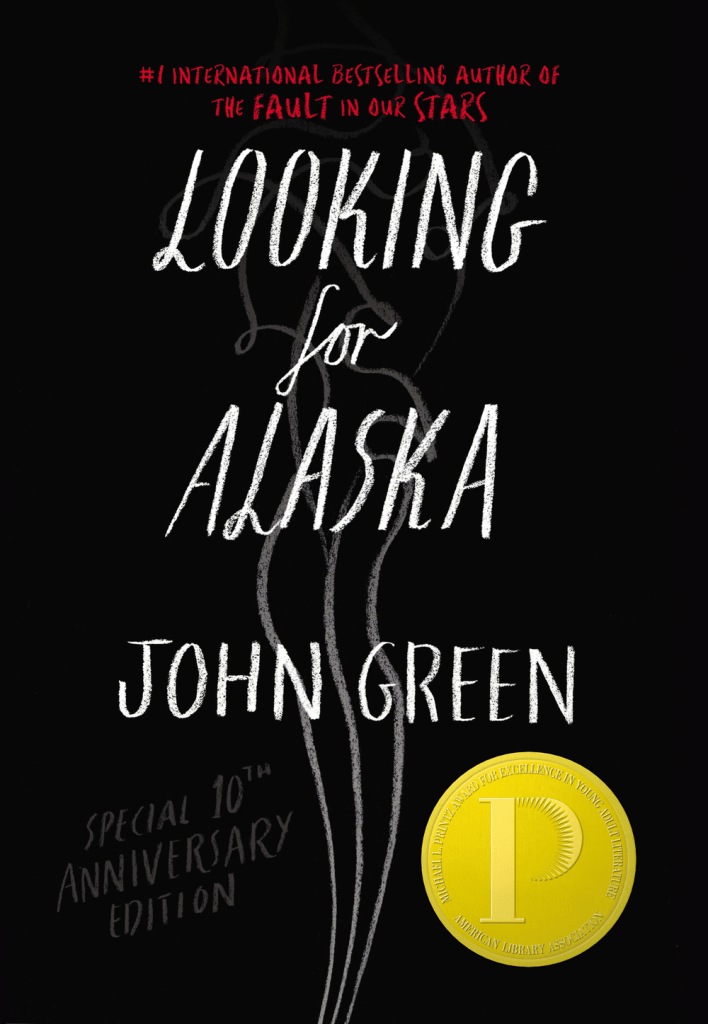
So, here it is, my review (published last March) of my favorite book that I read in 2024:
I glanced at this book’s title; I thought, “Perfect. A travel adventure book. To Alaska!”
But I was wrong. Looking for Alaska is indeed a journey, but the teen-aged protagonist travels through his eventful life in a new boarding school.
This is no ordinary coming-of-age story. Divided into two sections, before and after, John Green tells a tale filled with poignant happenings in the life of Miles “Pudge” Halter. One event is a defining, shocking moment where the “after” story begins. (No spoiler here.)
Obsessed with famous last words, Pudge falls into the world of the Great Perhaps with Alaska Young. She feeds his sense of humor, challenges his tendency to play it safe, and captures his heart. The entertaining story may move you to consider your own journey to self-discovery.
Looking for Alaska is one more in a series of young adult novels that have kept me away from my usual non-fiction leanings. I am drawn to YA books for stories that take me back to my own teen-aged years and my struggle to find myself. Like Pudge, I found a friend in high school who accepted me for who I was, giving me confidence that changed everything. I am thankful every day for that friendship.
Looking for Alaska was Green’s debut novel. He has written many more, including The Fault of Our Stars, selling a total of 50 million copies.

 Books and my backpack